

My Old Ass (2024)
In an era when coming-of-age films increasingly focus on the performative anxieties of digital nativity, Megan Park's My Old Ass presents a surprisingly radical idea: that wisdom may come not from experience, but from the simple act of paying attention. The film follows eighteen-year-old Elliott during her final summer at her family's cranberry farm in Ontario's Muskoka Lakes. A mushroom-induced encounter with her thirty-nine-year-old self transforms what could have been a conventional coming-of-age story into a more layered and temporally complex narrative. It becomes not just another tale of adolescent self-discovery, but a meditation on the cruel mathematics of time and the ways we learn to love what we are about to lose.

Futur Drei (2020)
The film begins not with a sleek studio logo or a grand establishing shot, but with the grainy, magnetic hum of a VHS tape. On screen, a small boy in a homemade Sailor Moon costume - complete with satin and pink bows - sings and dances with unrestrained joy. The footage is wobbly and intimate, clearly a home video. This boy is Faraz Shariat, the film’s director, and this archival glimpse of his childhood symbolizes that of his protagonist, Parvis. This choice serves not just as an authentic touch but as a profound political statement. By placing this image at the forefront of his debut feature, Shariat inserts a queer, Brown, diasporic childhood into the German cultural archive, a space historically marked by the erasure of such experiences.

Lady Bird (2017)
When Greta Gerwig’s solo directorial debut, Lady Bird, premiered in 2017, it felt more like a cultural event than just a movie release. The film received widespread acclaim, shattering records on Rotten Tomatoes and garnering numerous award nominations that signaled its significance in American cinema. At its core, the story appears deceptively simple: it follows Christine McPherson (Saoirse Ronan), a Catholic high school senior who insists on being called “Lady Bird,” as she navigates her final year in Sacramento, California, in 2002. The film explores her complicated relationships with friends and boyfriends, her longing to escape to a "city with culture" on the East Coast, and, most poignantly, her turbulent yet deeply felt bond with her strong-willed mother, Marion (Laurie Metcalf).

Dhalinyaro (2018)
There is a distinct significance to a "first film." For a nation, especially one whose identity is often shaped by external forces such as geopolitical strategy, military presence, and headlines of regional instability, projecting its own images onto the screen serves as a powerful declaration of selfhood. Experiencing one's own streets, hearing familiar languages, and witnessing the subtle, everyday dramas of life elevated through cinema represents a form of cultural and political reclamation.
Love Actually (2003)
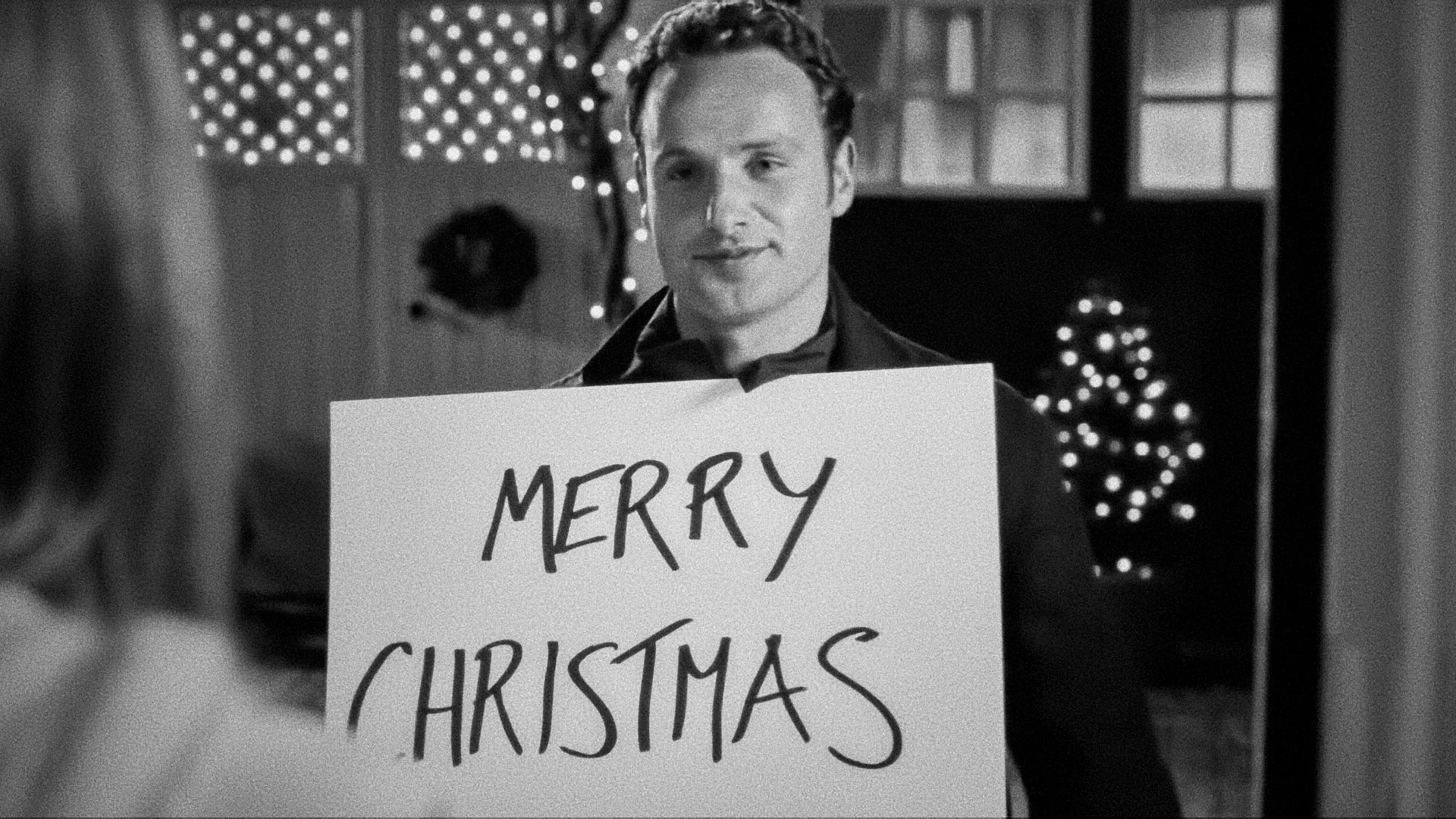
Watching Love Actually two decades after its release feels like engaging in a dizzying act of cultural archaeology. Richard Curtis’s 2003 Christmas anthology is not just a film; it is a phenomenon, a meme, a playlist, a holiday tradition, and increasingly, a topic of fierce debate. It stands as one of the essential modern Christmas classics and a catalogue of early-aughts romantic-comedy missteps. To love it is to make excuses for its shortcomings, while to hate it is to deny its undeniable, often brilliant, emotional power. Love Actually is a cinematic Christmas pudding—overstuffed, impossibly sweet, with some decidedly bitter ingredients, and yet, for millions, utterly irresistible. Its endurance lies not in perfection, but in its sprawling, ambitious, and deeply flawed attempt to capture love in all its messy, glorious, and often cringeworthy forms.
Die Hard (1988)
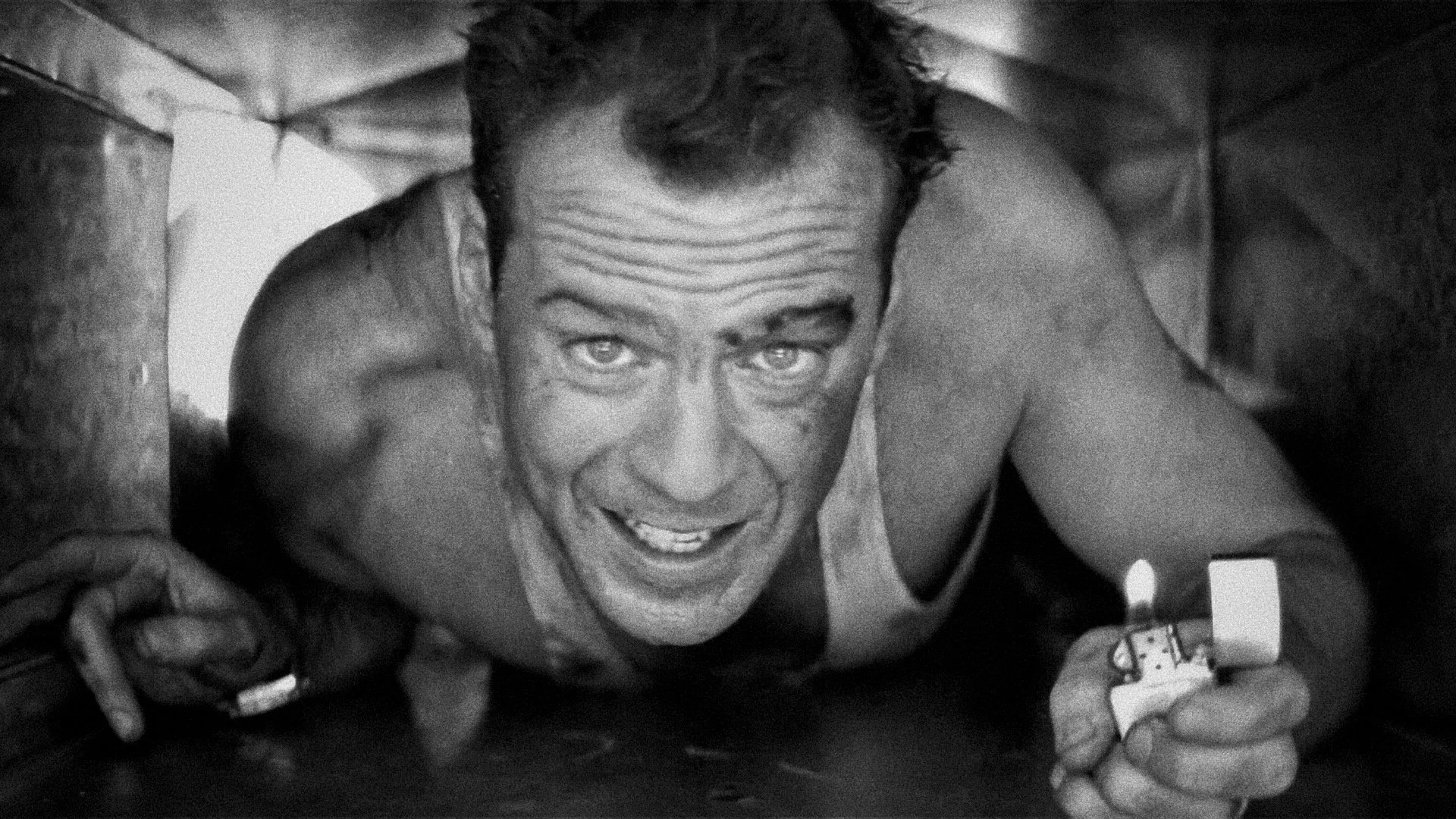
In the realm of American action cinema, a genre known for its larger-than-life heroes and spectacular explosions, John McTiernan’s Die Hard holds a distinct and esteemed position. Released in the summer of 1988—an era dominated by the broad comedy of Coming to America and the technical brilliance of Who Framed Roger Rabbit—it emerged as a surprising contender. At first glance, it appeared to be yet another high-concept thriller featuring one man against a team of terrorists in a skyscraper. However, beneath this seemingly straightforward premise lies a film rich in intelligence, wit, and craftsmanship—a film that would not only redefine its genre but also introduce a new archetype of the American hero. More than three decades later, Die Hard remains not just a great action movie but also a sharp, satirical commentary on the anxieties of its time and a surprisingly resonant tale of redemption. It is the accidental masterpiece that revealed audiences' craving for a hero who is not a god, but a man.
Little Lord Fauntleroy (1980)
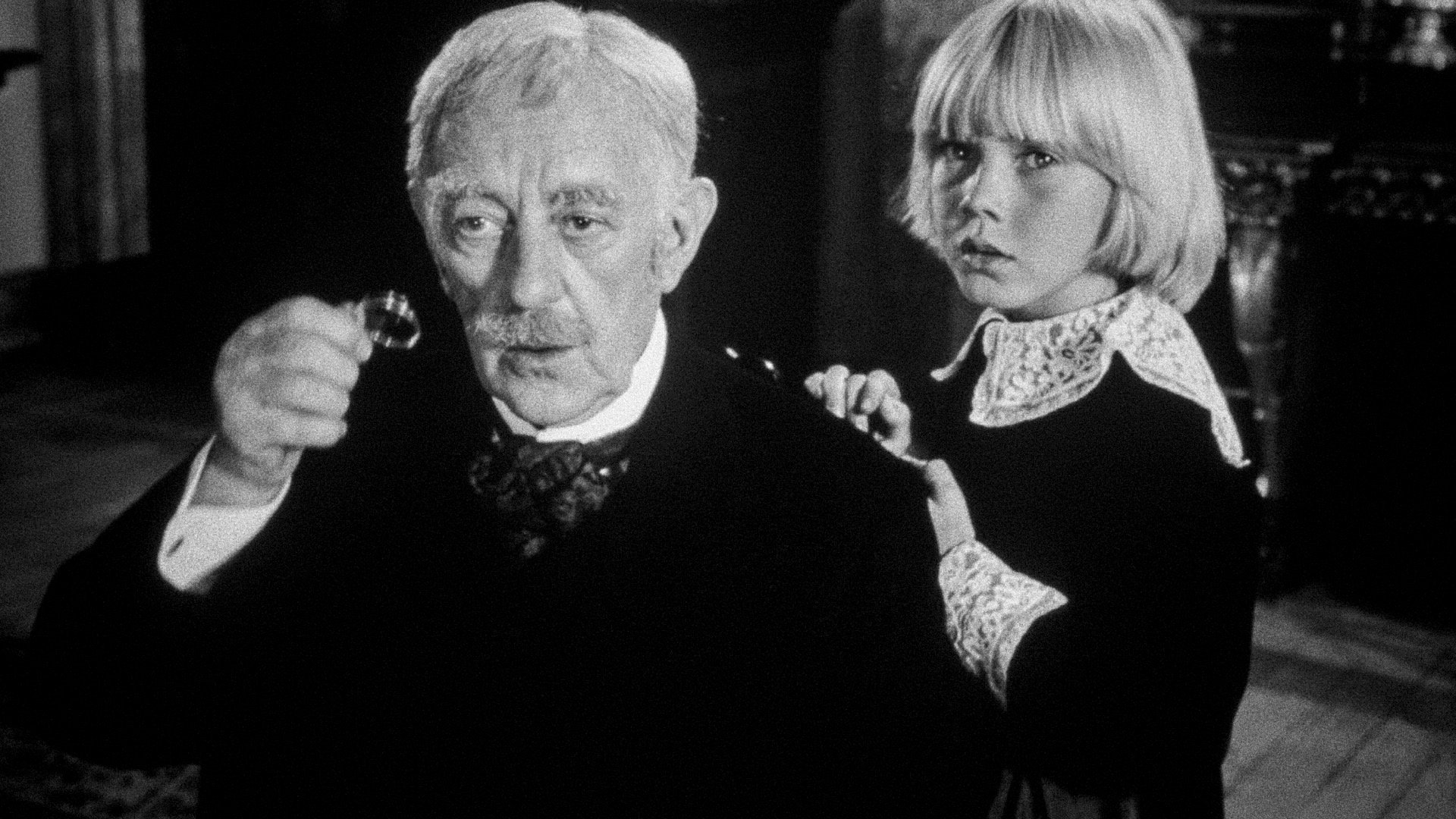
Some films become holiday traditions due to their clear connections to the season: the festive scenes of It’s a Wonderful Life, the chaotic Christmas spirit of Die Hard, and the intertwined romances of Love Actually. Then there's Little Lord Fauntleroy, the 1980 adaptation of Frances Hodgson Burnett’s Victorian novel. Despite lacking any Christmas trees, it has become a staple of Christmas television in Germany and a beloved classic for many others. Its enduring popularity is intriguing. At first glance, the film appears to be a simple, sentimental children’s story about a young American boy who inherits a British earldom. However, to dismiss it as mere period-piece fluff is to overlook the powerful and unexpectedly sharp fable beneath its velvet-and-lace surface. Jack Gold’s film intricately explores the clash between Old World cynicism and New World optimism, using innocence as a means to promote radical empathy. It also showcases one of Alec Guinness's most quietly devastating performances. It endures not just for its heartwarming qualities, but for its profound and intelligent examination of true nobility as a matter of character rather than birthright.

Spider-Man - Homecoming (2017)
By 2017, fatigue surrounding Spider-Man on the big screen was understandable. The release of Spider-Man: Homecoming, the character's third cinematic reboot in just 15 years, was met with a sense of weary inevitability. The challenge for director Jon Watts and the unprecedented partnership between Marvel Studios and Sony was not to introduce the character again, but to justify yet another retelling of his story. How could this version feel necessary? The film's masterstroke was its bold choice to skip the origin story entirely, trusting that audiences were already familiar with the radioactive spider bite and the tragic fate of Uncle Ben Parker. This was not a tale about how a boy becomes a hero, but about what kind of hero he chooses to be.
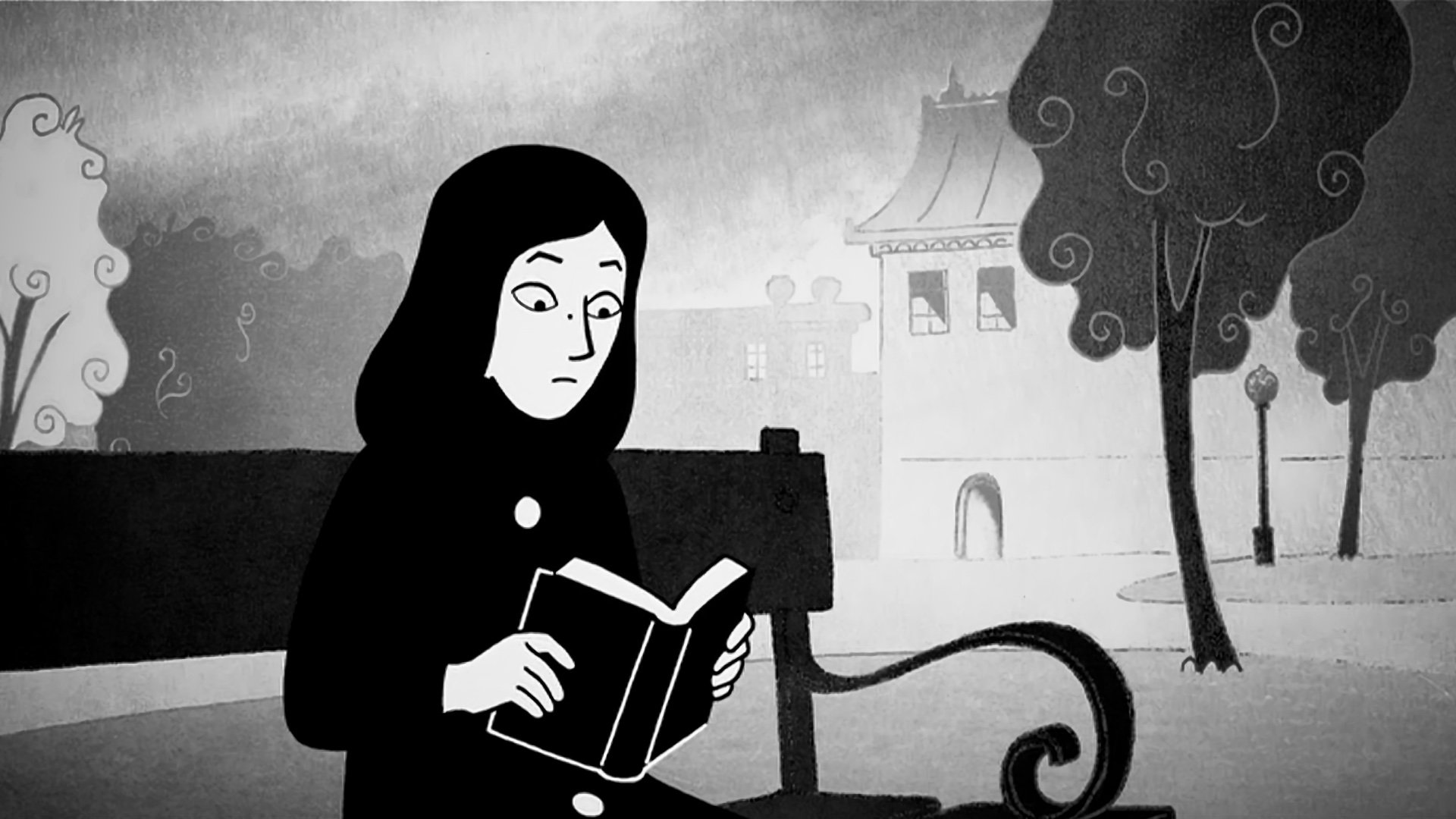
Persepolis (2007)
When Marjane Satrapi and Vincent Paronnaud’s Persepolis premiered at the Cannes Film Festival in 2007, it showcased a striking paradox. In an industry increasingly defined by hyper-realistic computer-generated imagery, this feature film was presented in stark, hand-drawn black-and-white animation. Rather than a fairy tale or fantasy epic, it offered the intimate and often harrowing autobiography of a young woman’s life during and after Iran’s Islamic Revolution. The film's universal acclaim, which included a Jury Prize at Cannes and an Academy Award nomination for Best Animated Feature, underscored its profound impact. It illustrated that animation, far from being a simplistic or juvenile medium, could serve as a sophisticated tool for exploring complex human experiences.
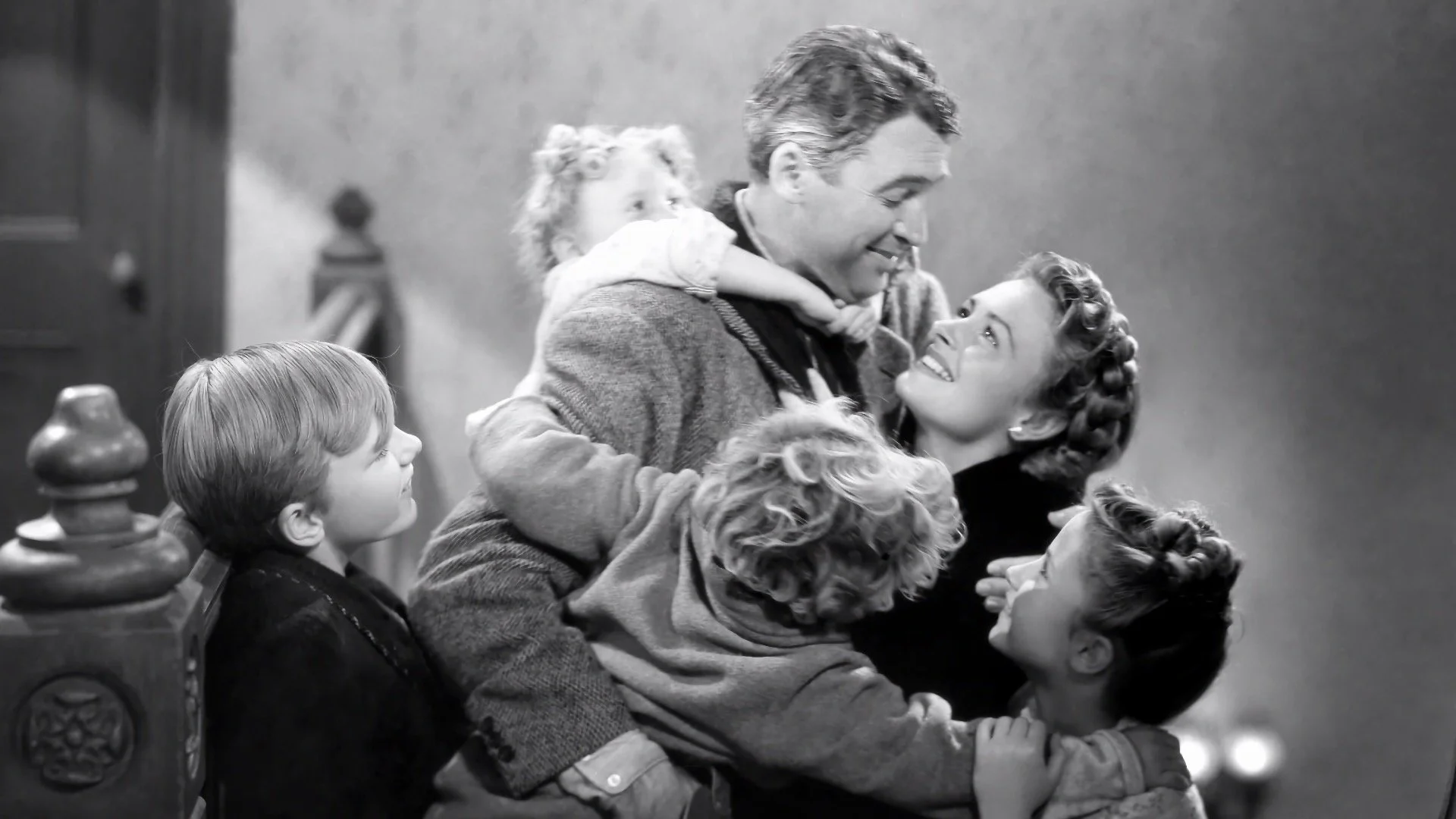
It’s a Wonderful Life (1946)
To label Frank Capra’s It’s a Wonderful Life as merely a Christmas movie is both true and an understatement. Since its disappointing debut in 1946, the film has become an integral part of American holiday tradition, with its annual television airings as cherished as decorating the Christmas tree. However, to categorize it solely as seasonal fare overlooks the deep, often dark themes that run beneath its uplifting exterior. This story is not just about a man learning to appreciate his life; it is a complex and often harrowing exploration of the American psyche in the wake of global upheaval. It addresses desperation, economic anxiety, and the heavy burden of unfulfilled dreams, making its ultimate message of hope even more powerful and resonant. It’s a Wonderful Life endures not because it is simple, but because it is profoundly intricate—a cinematic reflection of the specific anxieties of post-war America while also addressing the universal human experience.
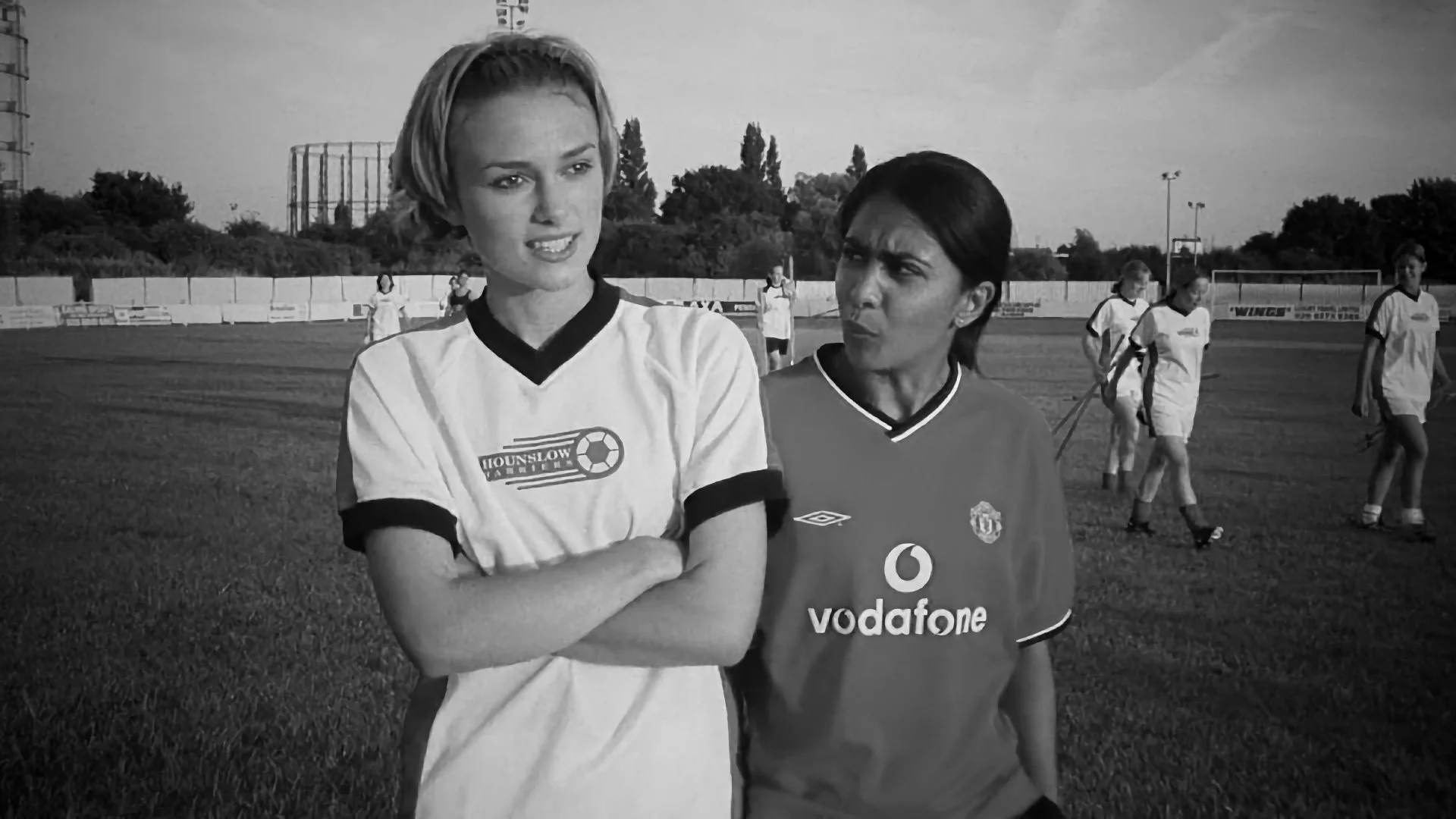
Bend it like Beckham (2002)
Two decades after its release, Gurinder Chadha’s Bend It Like Beckham (2002) continues to possess a remarkable charm. Critic Roger Ebert aptly described it as a "purely enjoyable" and "just about perfect" teenage coming-of-age comedy. With its impressive critical and commercial success, the film topped box office charts from the UK to the U.S., becoming the highest-grossing British-distributed film of its time. This achievement solidified its status as a cultural touchstone, often placed alongside other beloved British feel-good films like Billy Elliot and The Full Monty.

Fucking Åmål (1998)
A film's title serves as its initial promise to the audience, establishing the terms of engagement. In Lukas Moodysson's explosive 1998 debut, this promise is twofold, reflecting a deliberate contradiction. Its original Swedish title, Fucking Åmål, is a raw, profane expression of teenage despair, taken directly from a scene where the protagonist, Elin, screams in desperation, "Why do we have to live in fucking bloody cock-Åmål?" This title conveys a harsh honesty, encapsulating the film's unvarnished portrayal of the suffocating inertia of provincial life. However, for its international release, the film was given a gentler, more aspirational title: Show Me Love.
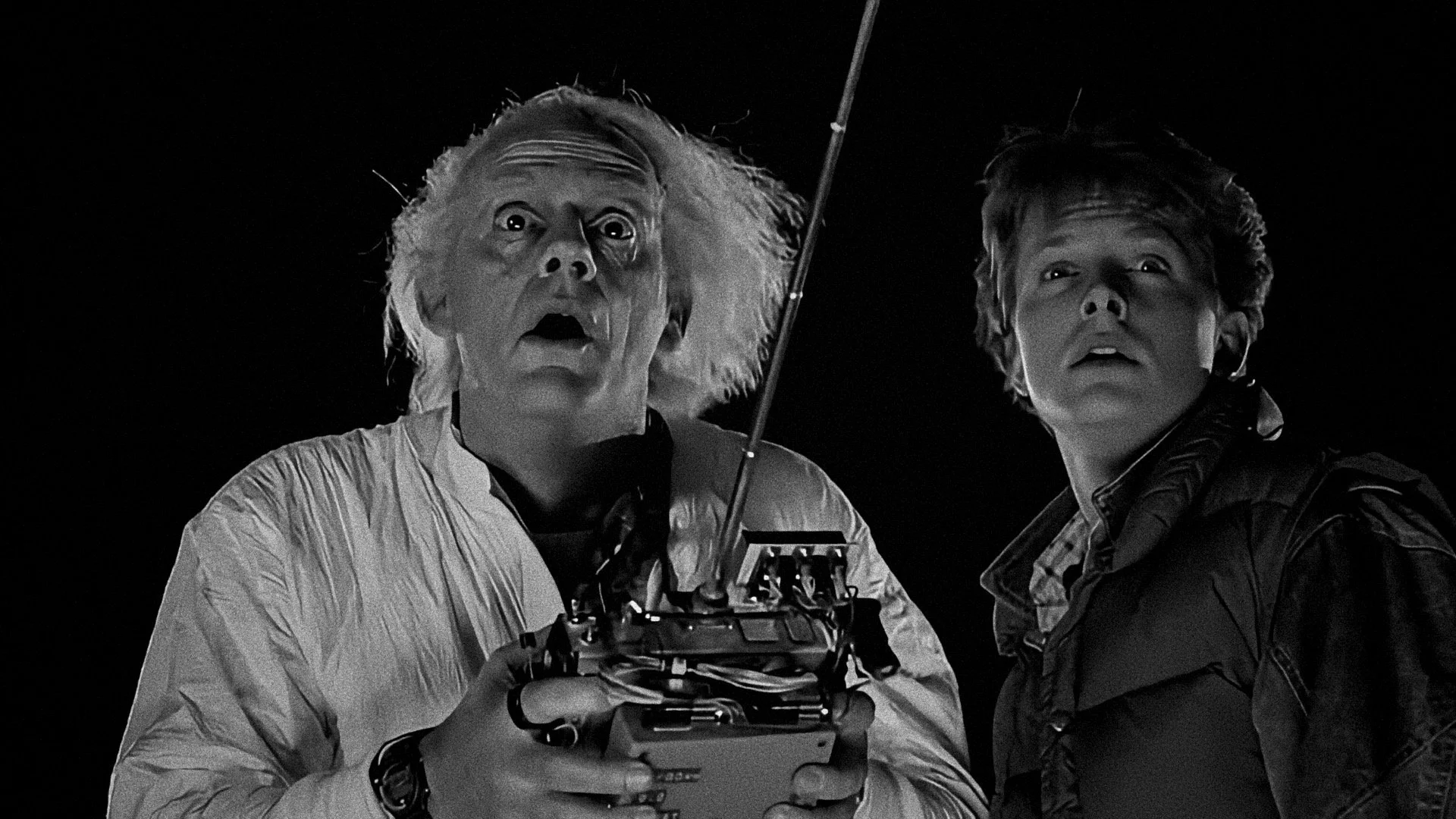
Back to the Future (1984)
Some films are simply popular, some are deemed classics, but then there is Back to the Future. Robert Zemeckis and Bob Gale’s 1985 masterpiece transcends typical categorization; it serves as a cultural artifact, a time capsule of the 1980s that paradoxically feels timeless. Its lasting appeal is a testament to its brilliance, primarily found in its screenplay. The script is a marvel of mechanical precision, a Swiss watch of setups and payoffs so expertly calibrated that it is often studied in film schools as a model of storytelling. However, this technical perfection is not just an aesthetic triumph; it fuels a potent and deeply conservative fantasy.
Saturday Night Fever (1977)
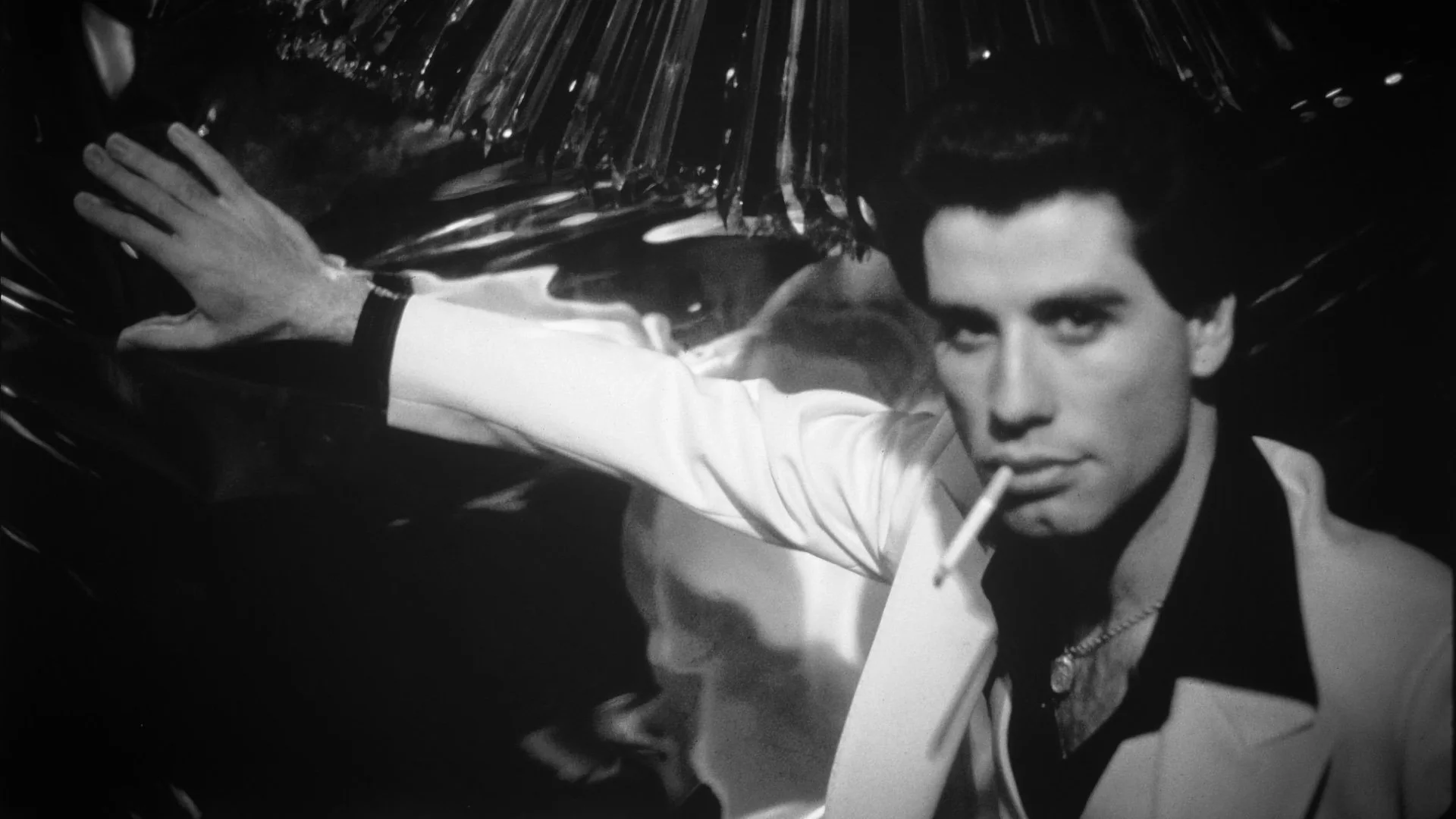
The imagery of Saturday Night Fever is so deeply embedded in American culture that it serves as a shorthand for an era. The sight of the white suit, the defiant finger pointed skyward, or the opening falsetto notes of the Bee Gees’ “Stayin’ Alive” instantly transport us to a specific time and place. These symbols evoke a vision of the 1970s as a hedonistic playground, a glittering escape from the bleak realities of the post-Vietnam, post-Watergate era. In popular memory, the film represents the ultimate party - a celebration of youth, movement, and the liberating rhythm of the disco beat.
Harold and Maude (1971)
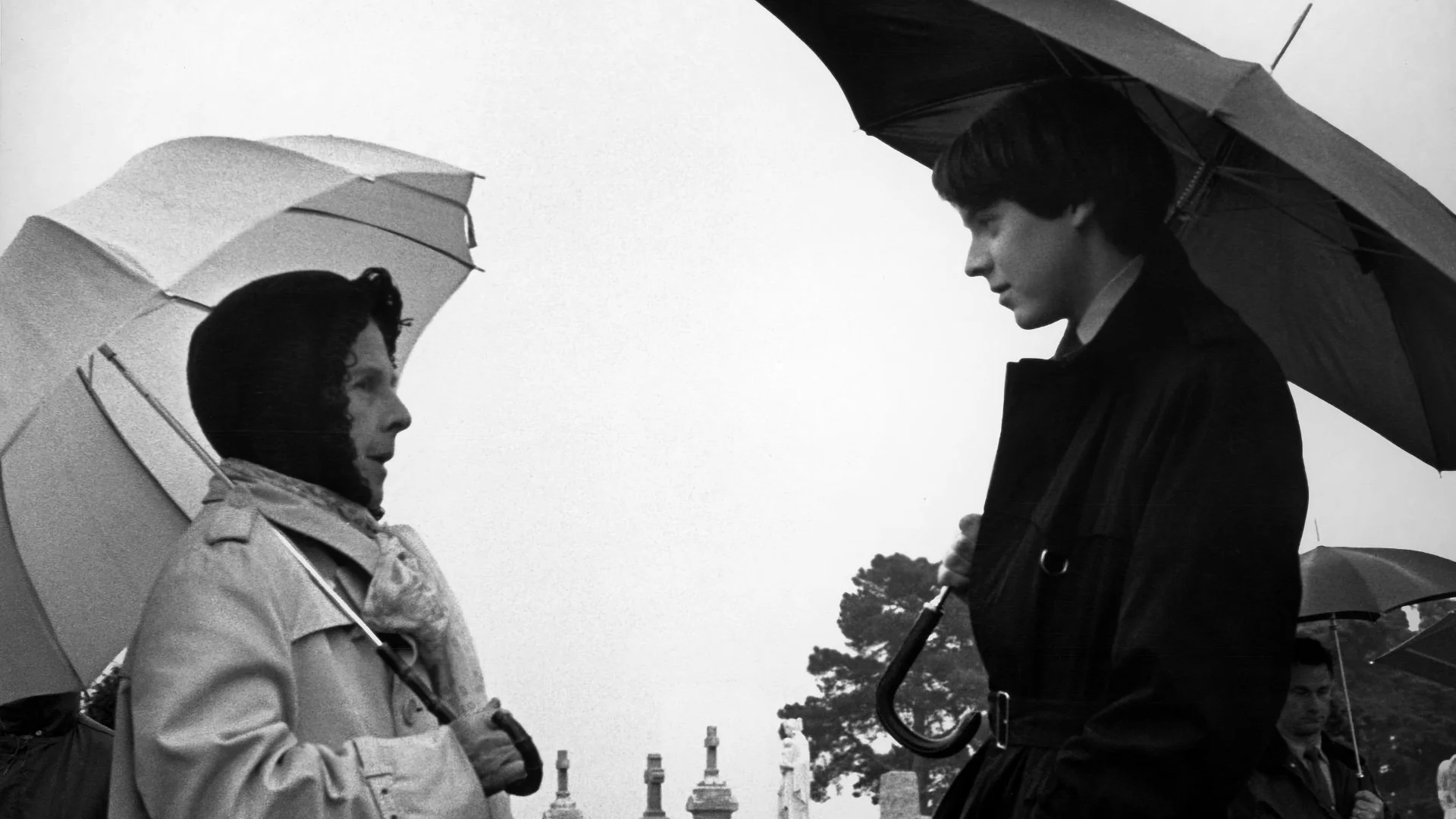
The opening scene of Hal Ashby’s Harold and Maude (1971) exemplifies tonal misdirection, presenting a meticulously arranged ritual of death accompanied by the gentle folk strumming of Cat Stevens’s “Don’t Be Shy.” We witness a young man preparing for his own exit: lighting candles, placing a note, and stepping onto a stool. The camera remains patient and observant, framing the scene with a solemnity that borders on the sacred. Then, precisely at the song’s final note, the stool is kicked away, and the body drops, feet twitching in the air. The music stops, and the director’s credit appears. This abrupt silence, coupled with the jarring contrast between life-affirming music and morbid theater, marks the film’s first and foremost cut. It serves as a declaration of purpose - a cinematic manifesto announcing a film that navigates the spaces between comedy and tragedy, life and death, sincerity and satire.

The 400 Blows (1959)
When François Truffaut’s debut feature, Les Quatre Cents Coups, premiered at the Cannes Film Festival in 1959, it was not just a successful film; it was a cultural explosion. A year after being banned from the festival for his harsh critical reviews, Truffaut returned - not as a journalist, but as a conquering hero, winning the Best Director award and heralding the arrival of the French New Wave, or
Nouvelle Vague, on the global stage. The film, whose French title translates to the idiom "to raise hell," introduced a new type of cinematic protagonist in Antoine Doinel (Jean-Pierre Léaud). He was not a character in a polished, literary drama but the raw, authentic representation of adolescent alienation - a misunderstood boy whose small acts of rebellion against a callous adult world resonated as both deeply personal and universally relatable.

Terminator Salvation (2009)
In the summer of 2009, America found itself in a state of uncertainty. The initial excitement of Barack Obama's historic inauguration had given way to the harsh realities of governing a nation divided by years of war, economic turmoil, and deep political polarization. In this transitional period, between the end of the Bush era and the true beginning of the Obama administration, a beleaguered film franchise sought a radical reinvention. Terminator Salvation, directed by McG, abandoned the time-travel chase formula of its predecessors and plunged audiences into the harsh, desolate future of 2018.
Terminator 3 - Rise of the Machines (2003)
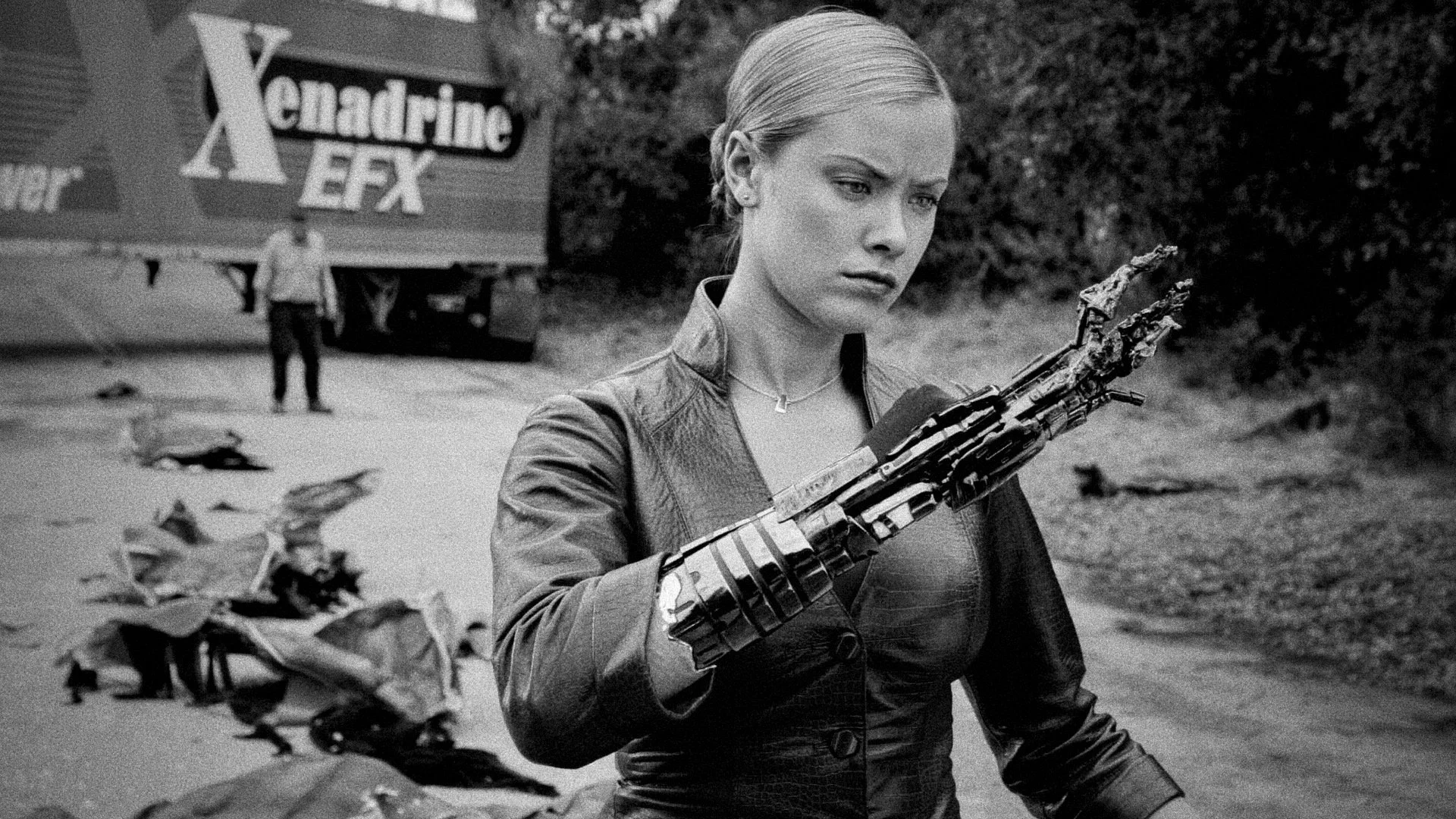
Twelve years after James Cameron provided a generation with its most potent cinematic mantra of self-determination—"the future is not set. There is no fate but what we make for ourselves"—the franchise returned, under new leadership, to a world that felt profoundly less certain. Released in the long shadow of 9/11, Jonathan Mostow’s Terminator 3: Rise of the Machines (2003) was more than just a long-delayed sequel; it was a cultural artifact that, intentionally or not, held up a dark mirror to the blockbuster that preceded it. Terminator 2: Judgment Day had celebrated radical hope, showcasing the power of human will to avert apocalypse.