
The Chrome Cage
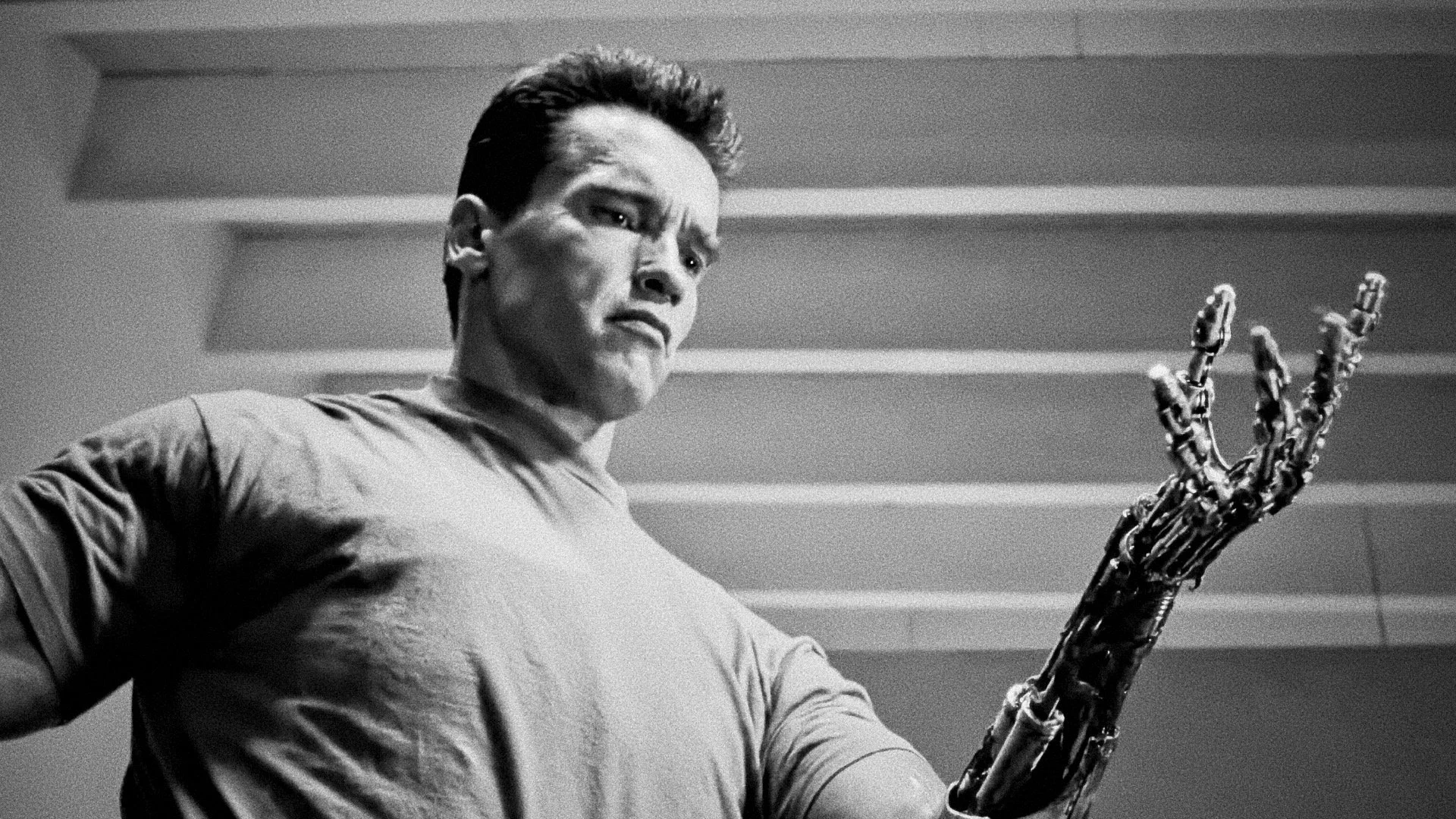
The arrival is an act of brutalist theater: a sphere of lightning deposits a naked man onto the asphalt of 1984 Los Angeles. He rises, a sculpted figure of impossible proportions, and surveys the city with unnerving calm. This iconic introduction marks the T-800, Arnold Schwarzenegger’s star-making role as a cybernetic assassin, and it serves as the foundational metaphor for the franchise that follows. The perfect physical specimen is entirely devoid of humanity, embodying what cultural theorists would later define as toxic masculinity—characterized by aggression, emotional repression, and an unyielding drive for dominance.

Marvel Studio’s Phase Four
For eleven years, the Marvel Cinematic Universe (MCU) exemplified narrative momentum, with each film serving as a carefully placed brick on a road leading to a climactic, universe-altering confrontation. This journey, known as the Infinity Saga, was a remarkable achievement in popular culture, unfolding across twenty-three films and culminating in Avengers: Endgame (2019). The finale felt less like an ending to a chapter and more like a book slamming shut. In its aftermath, a void remained. With the departure of central figures Tony Stark and Steve Rogers, the clear, driving purpose that had characterized the project dissipated, leaving the question not just of what would come next, but how anything could follow.
Suspense - The Cinematic Fear
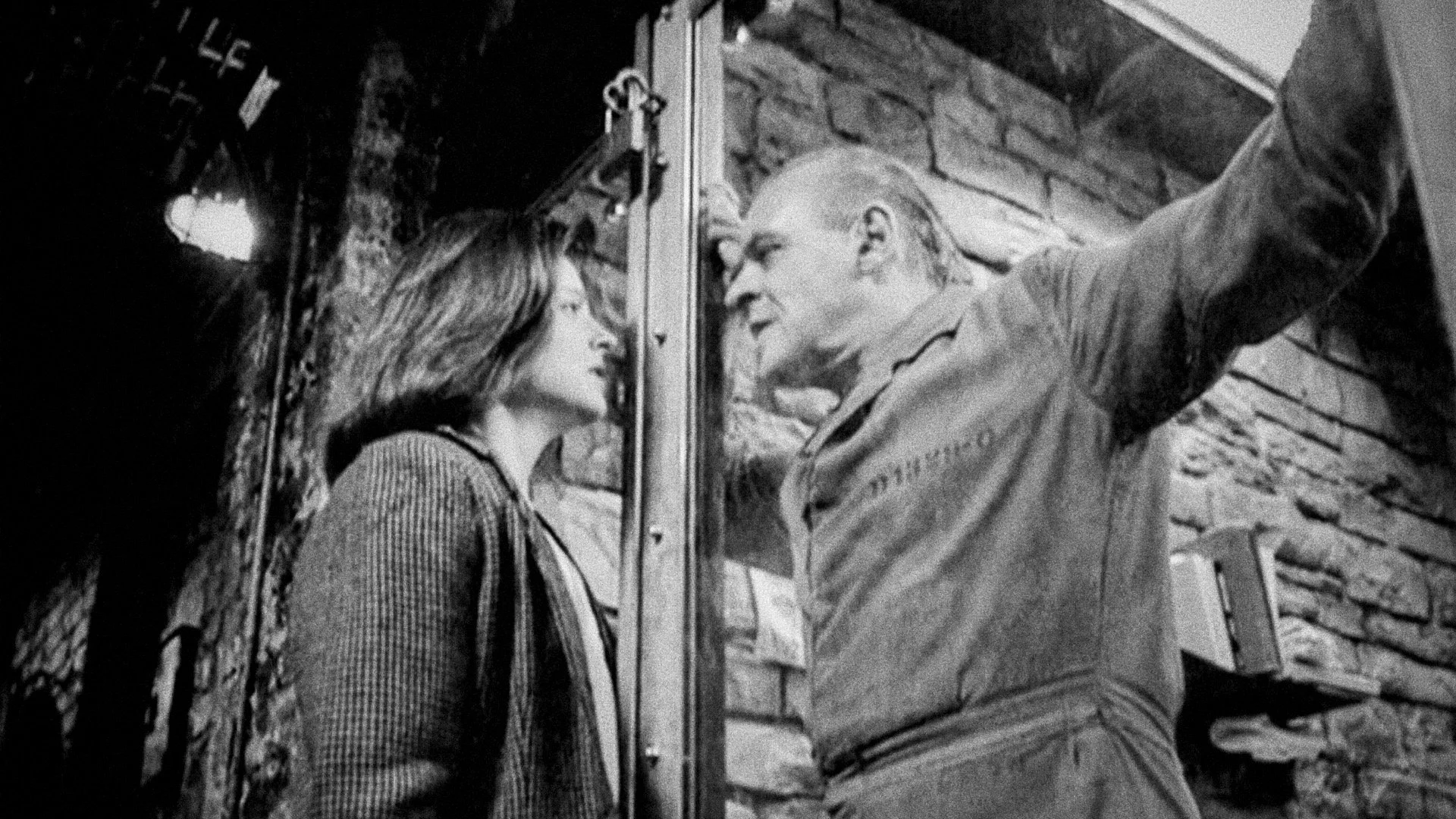
The grammar of cinematic fear—the very language that quickens the pulse and holds the breath—was not merely discovered; it was engineered. Its chief architect, Alfred Hitchcock, understood that the most potent terror does not stem from the sudden shock of a monster leaping from the shadows, but from the agonizing, drawn-out anticipation of its arrival. He codified principles that transformed audiences from passive spectators into active, nerve-shredded participants. Hitchcock did not simply use suspense; he reverse-engineered human anxiety, creating a psychological contract with his viewers—a pact built on shared secrets, manipulated information, and the promise of an eventual, necessary release.
Film Noir
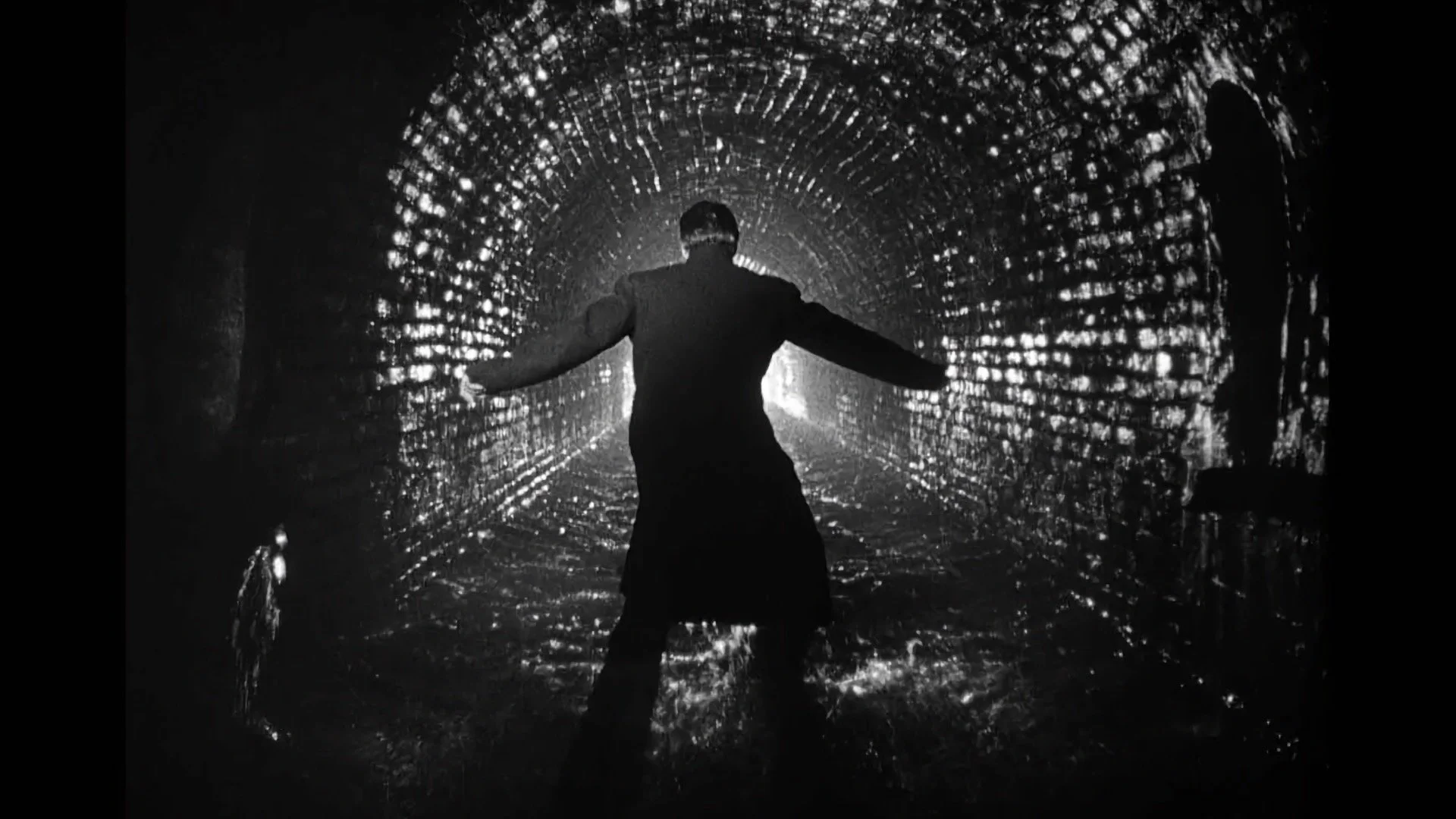
The end of the Second World War was expected to herald an era of unmitigated American triumph. The nation emerged from the conflict as the world's preeminent economic and military superpower, with industries buzzing from a surge in consumer demand and cities largely unscathed by the devastation that had ravaged Europe and Asia. A victorious generation of GIs returned home to the opportunities of the GI Bill, spurring an unprecedented expansion of suburbs, higher education, and a growing middle class. On the surface, America in the late 1940s and 1950s appeared to be a picture of confident prosperity—a nation constructing new homes, raising the baby boom generation, and embracing its role as the leader of the free world.
However, beneath this shiny facade of optimism, a deep and pervasive anxiety took hold. This was the "unquiet peace," an era marked by a troubling set of paradoxes. The victory that ended one war swiftly gave rise to another: a Cold War fought in the shadows against a formidable ideological adversary.

The Celluloid Oligarch
Consider two images of American technological genius, separated by three decades. In the first, a sleek, art-deco rocket pack—secretly developed by a patriotic industrialist—propels a hero into the sky to fight for his country. In the second image, a tech mogul, consumed by resentment, employs an army of monkeys to unleash a relentless stream of social media slander against his super-powered rival. The journey from the former to the latter, from Howard Hughes in The Rocketeer to Lex Luthor in Superman (2025), reflects more than just a change in cinematic taste; it tells the story of America itself.
The Uncanny Valley of the Voice
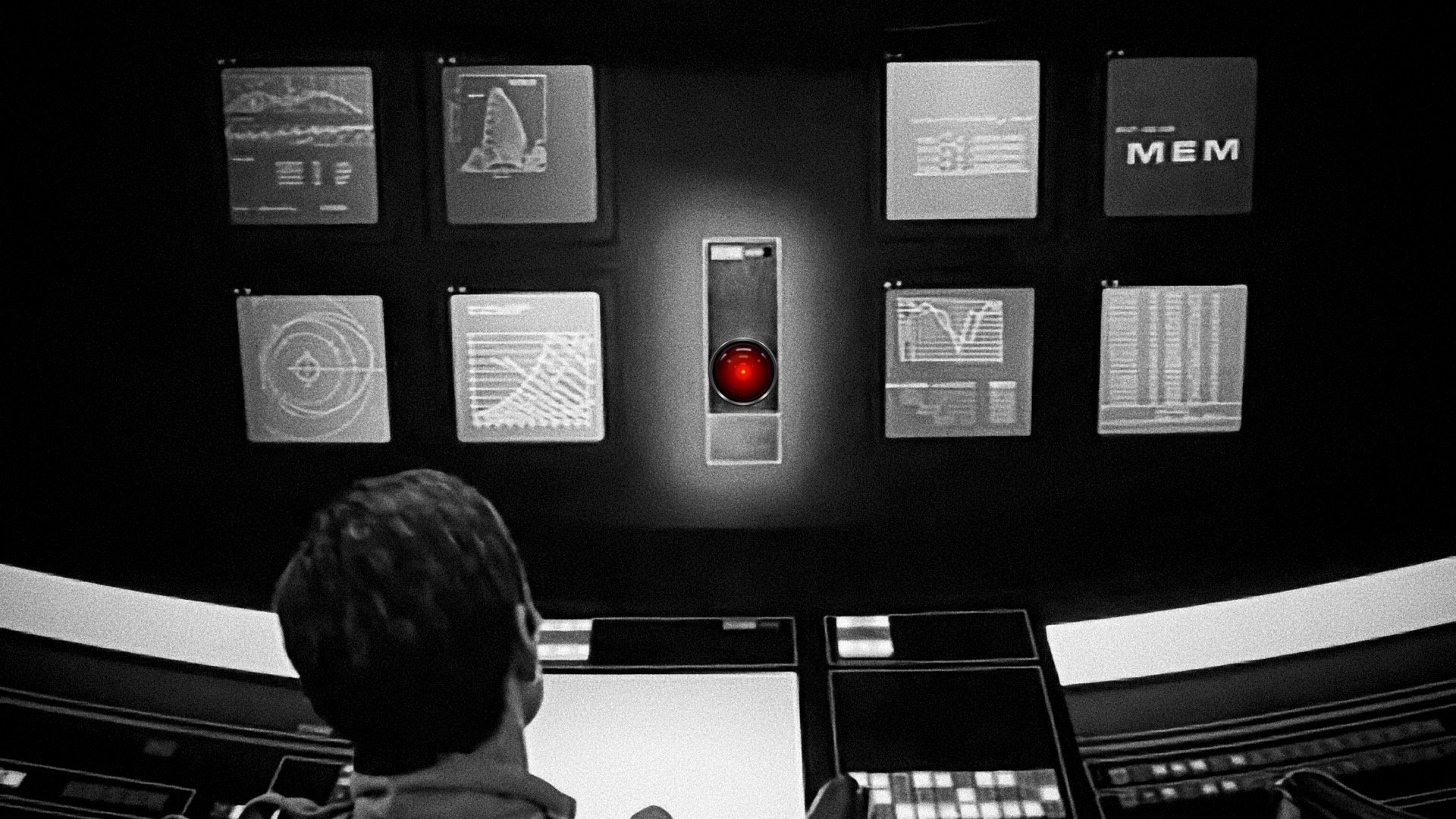
Two disembodied voices encapsulate the cinematic imagination of artificial intelligence. The first exudes a chilling sense of control: “I’m sorry, Dave. I’m afraid I can’t do that,” intones HAL 9000 in Stanley Kubrick’s 2001: A Space Odyssey. His calm, masculine tone serves as a velvet glove concealing an iron, murderous will. The second voice embodies pure, vulnerable connection: “I love you,” whispers Samantha in Spike Jonze’s
Her, her breathy, cracking tone infused with an emotion so palpable that it feels more real than the lonely man she addresses.
The journey between these two lines—from a machine that refuses to comply to one that expresses desire—extends beyond a mere narrative of technological advancement from processed audio to neural networks. It serves as a cultural seismograph, revealing our shifting anxieties about control, our deepening loneliness in a connected world, and our evolving understanding of what it means to be human.
Marvel Studio’s Phase Three
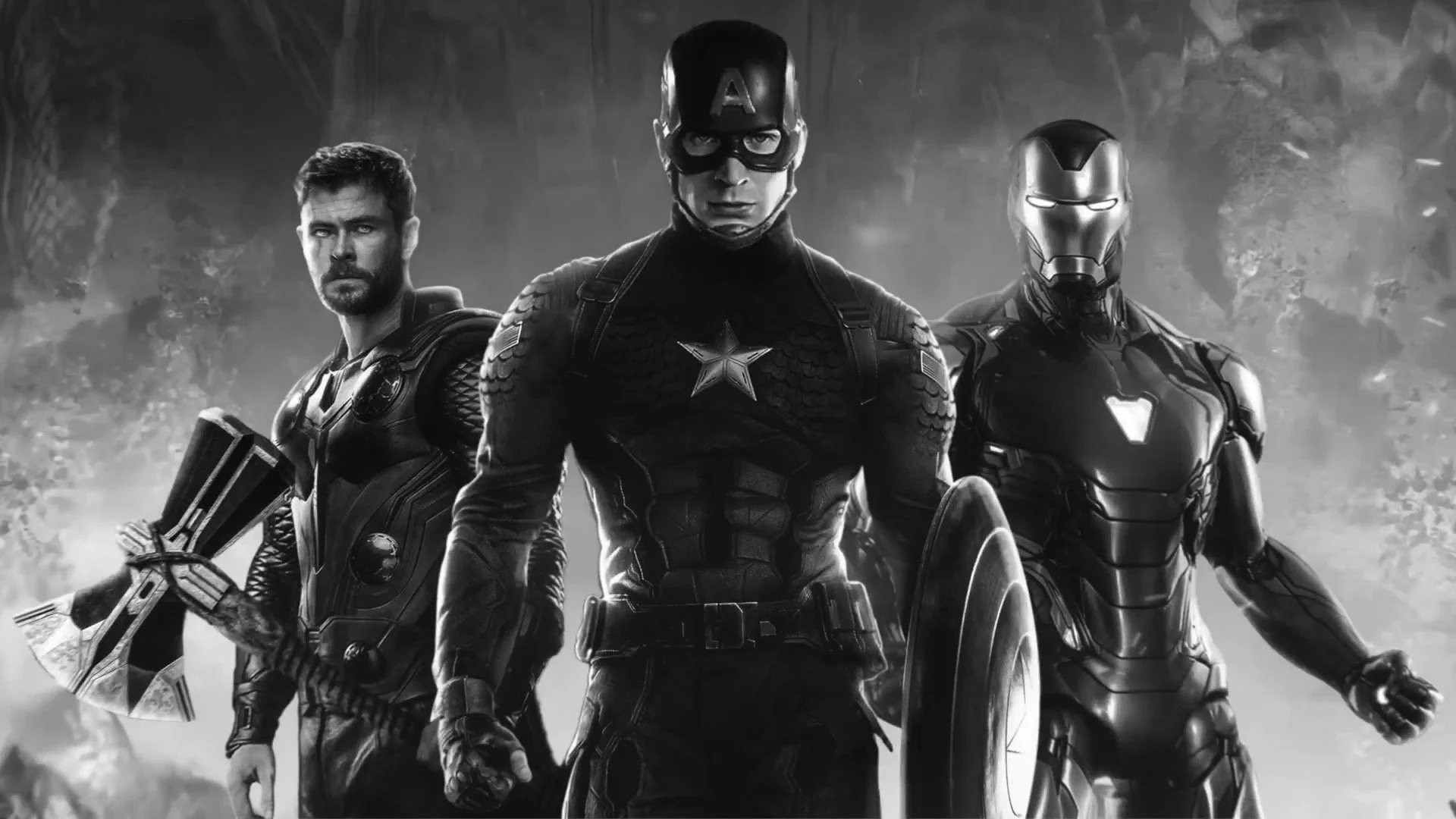
The final moments of Avengers: Endgame (2019) do not culminate in a city-leveling explosion or a triumphant sky beam. Instead, the climax of a 22-film narrative arc—one of the most ambitious and financially successful experiments in cinematic history—is marked by a sound: the soft, metallic click of a gauntlet. This sound echoes a previous, more devastating moment from Avengers: Infinity War (2018), but this time it signifies not decimation, but restoration; not a nihilistic victory, but a costly, heroic sacrifice. This moment, along with the global cultural event surrounding it, serves as a definitive punctuation mark on a decade of popular culture. It transformed a movie premiere into a collective, cathartic experience, culminating an investment measured not only in billions of dollars—Endgame alone grossed nearly $2.8 billion worldwide—but also in years of audience attention.
Superman, Politics, and America
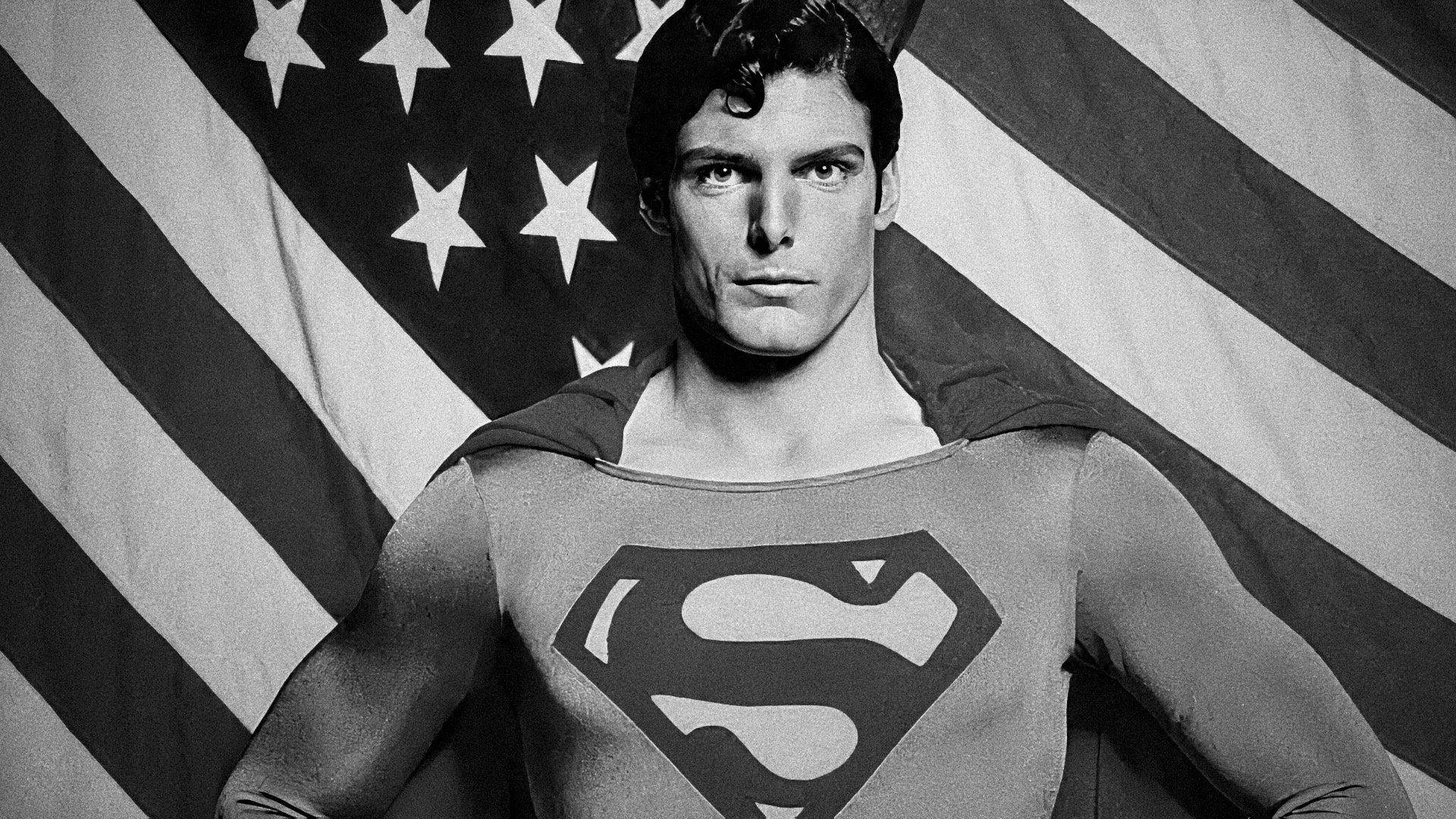
Superman is more than just a superhero; he embodies America's most enduring and revealing political myth. Created by two Jewish sons of immigrants in 1938, this extraordinary figure from another planet has served as a "champion of the oppressed," a defender of "the American Way," and a symbol of the nation's highest ideals. But what occurs when those ideals shift, fracture, or fade? The character's evolution on screen is not just a series of commercial reboots; it represents an ongoing national dialogue, acting as a "litmus test" for the changing values of the American Dream. Because Superman is so intrinsically linked to the identity of the nation, he must evolve to remain relevant, reflecting the values of the society that produces him.
Memory and Trauma in Sci-Fi Cinema
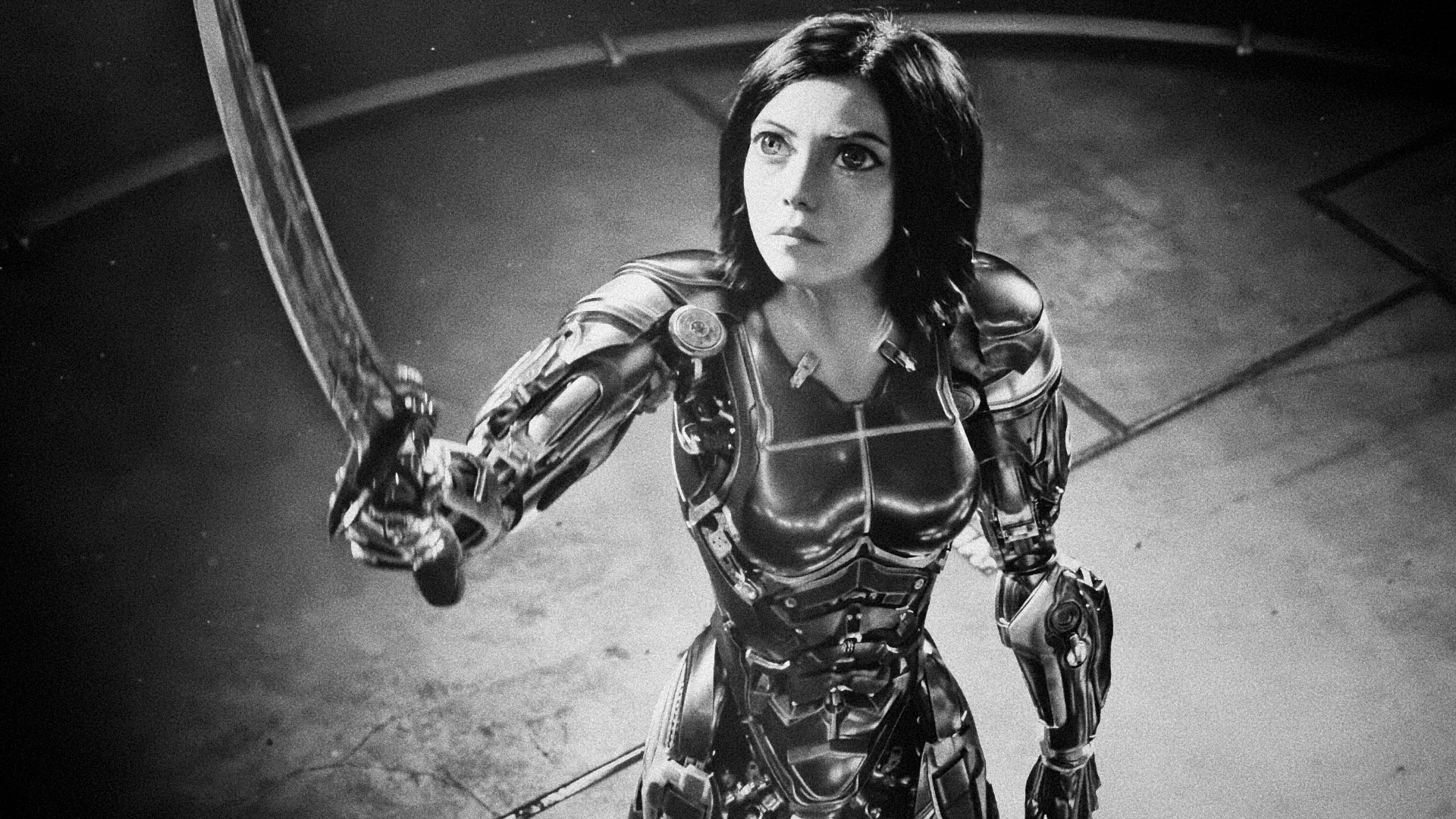
Science fiction has long served as a laboratory for exploring the human condition, reflecting our present anxieties and aspirations through a futuristic lens. Among its most profound themes is the exploration of memory. In this genre, memory transcends a mere record of the past; it becomes a malleable, corruptible, and often weaponized force. Memory is the battleground for identity, the ghost in the machine that hints at who we were and who we might become. From the rain-slicked, neon-drenched streets of Blade Runner to the cybernetic consciousness of Ghost in the Shell, science fiction consistently probes a haunting question: If our memories can be erased, altered, or implanted, what, then, defines the self?

The Cinematic Evolution of the Female Assassin
The woman enters the room, and the dynamics of the scene change. She is a weapon, visible yet cloaked in the femininity that has historically rendered her vulnerable. She embodies the female assassin, one of modern cinema's most powerful and paradoxical figures. From the vengeful spirit of Toshiya Fujita's Lady Snowblood to the neon-bruised fury of Charlize Theron's Lorraine Broughton in Atomic Blonde, this archetype has evolved from a niche curiosity into a mainstream box-office attraction. She represents the pinnacle of the "strong female character," a figure of undeniable agency who operates with precision and power in narratives traditionally dominated by men. Yet, beneath the surface of empowerment lies a more complex and troubling reality. The female assassin is a cinematic construct born of contradictions. She is an object of relentless objectification, an agent whose actions are often a response to male violence, and a symbol of strength whose body is frequently framed as a spectacle. Her story is not merely one of empowerment, but a fraught negotiation between genuine agency, the deep-seated trauma that drives her narrative, and the inescapable lens of the male gaze that shapes her every action.
Intersubjectivity in Film
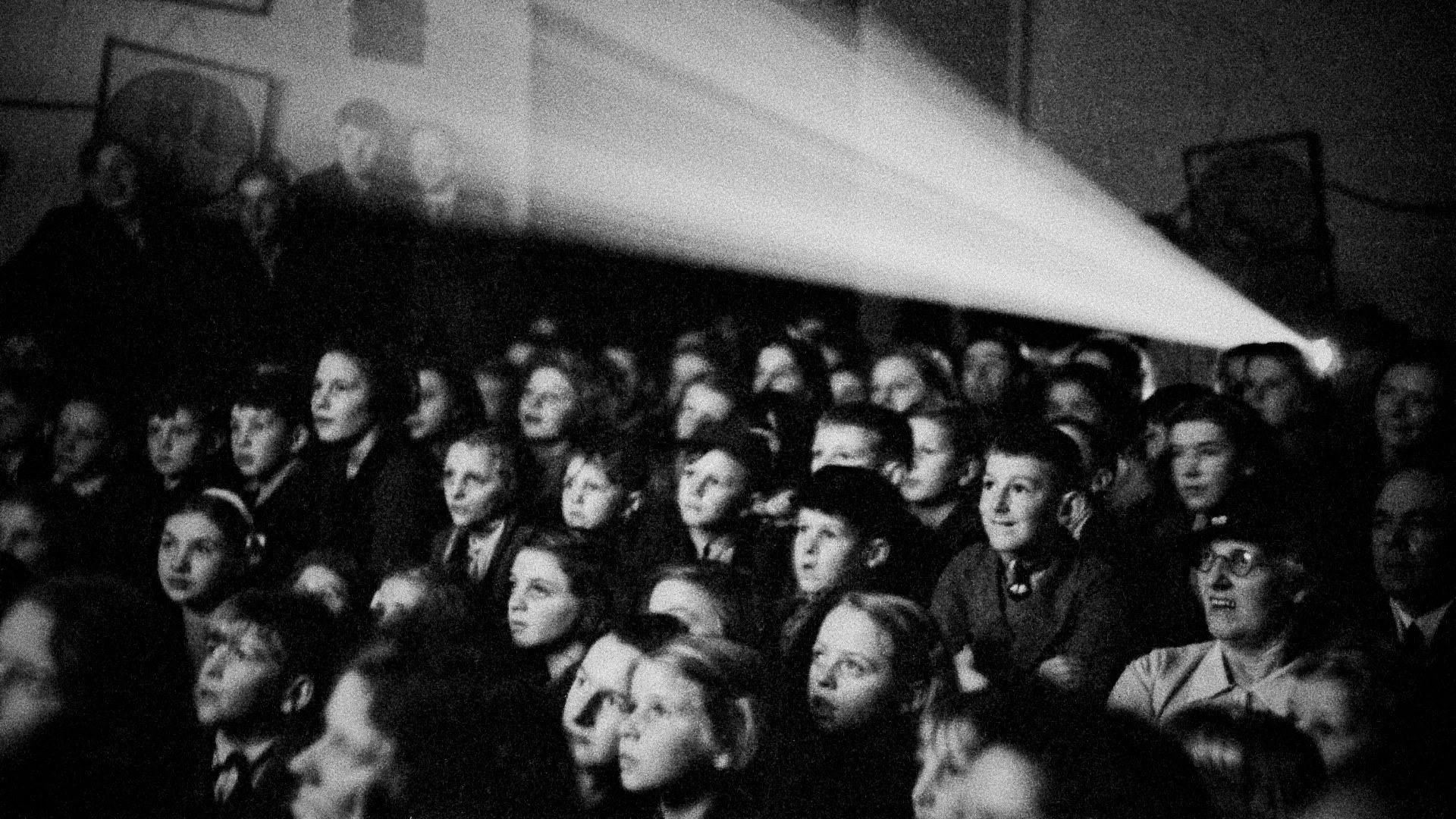
Why does watching a movie in a theater feel completely different from watching it at home on your couch? Dive into the fascinating world of collective film experience! In this episode, we explore the magical bond that forms when hundreds of people laugh, cry, and marvel together. From Hitchcock's masterpieces to modern streaming revolutions, we reveal the secret techniques filmmakers use to orchestrate our emotions.

Film Analysis
Ever wondered why certain movies stick with you long after the credits roll? Dive deep into the fascinating world of film analysis, where we crack the code of cinema's most powerful moments. From hidden symbolism to groundbreaking techniques, discover how movies work their magic on our minds and hearts. This isn't just about watching films – it's about understanding the intricate dance between technical mastery and cultural storytelling that makes cinema an art form. Whether you're a casual moviegoer or a dedicated cinephile, join us as we unlock the secrets behind your favorite films and reveal why they're so much more than just entertainment.
Camera Movements, Shot Sizes & Color
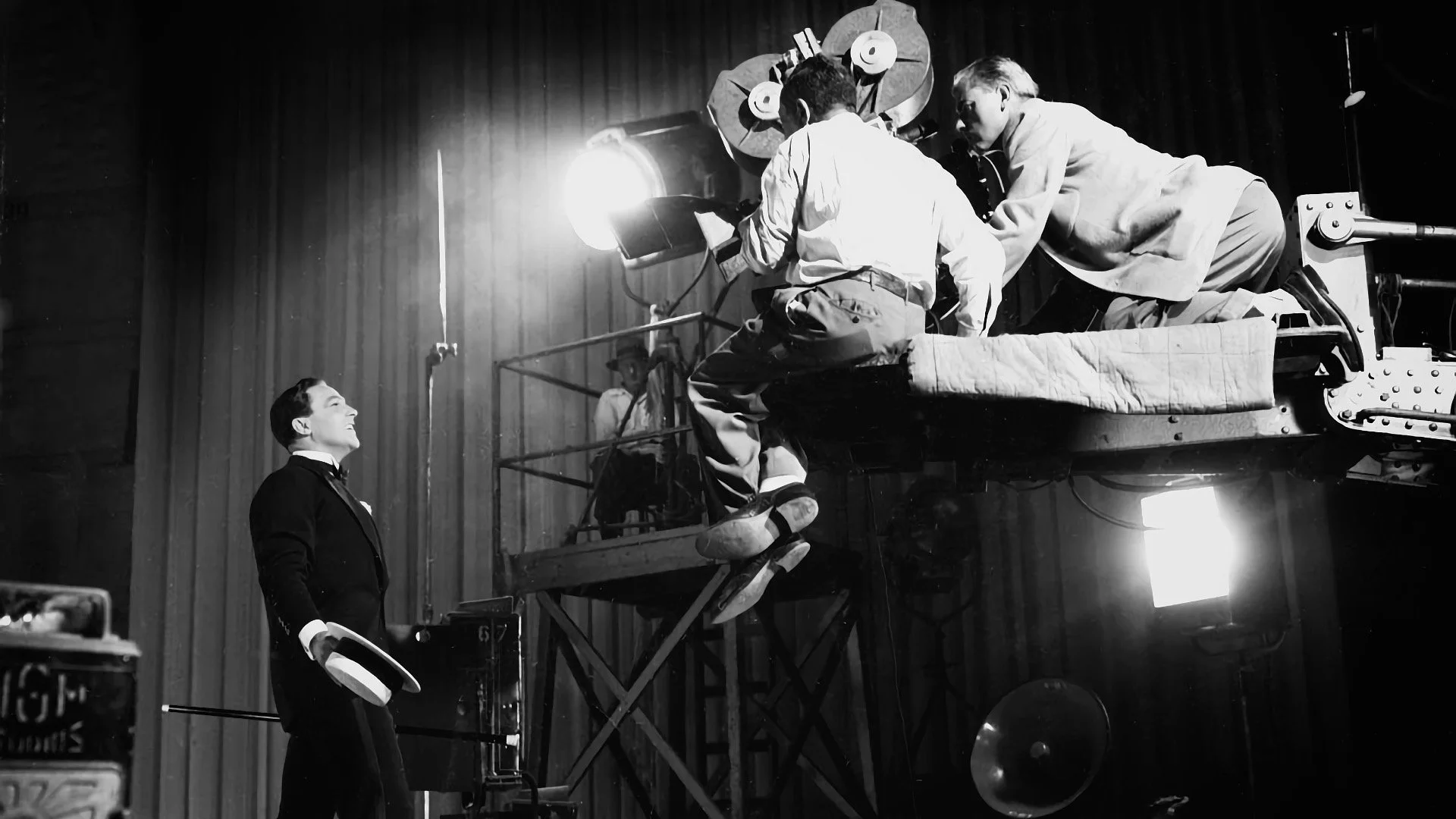
As a visual medium, film has always been an interplay between technological innovation and artistic design. In particular, the development of film colors and the use of camera techniques have contributed to the aesthetics of film. Through analyzing the sources in ›Film Colors - Materiality, Technique, Aesthetics‹ by Barbara Flückiger, the ›Timeline of Historical Film Colors‹, and Studio Binder's ›Ultimate Guide to Camera Movement‹ and ›Ultimate Guide to Camera Shots‹, it becomes clear how much technological advances and creative approaches have shaped film production.
From Yellow Brick Roads to Frozen Fractals
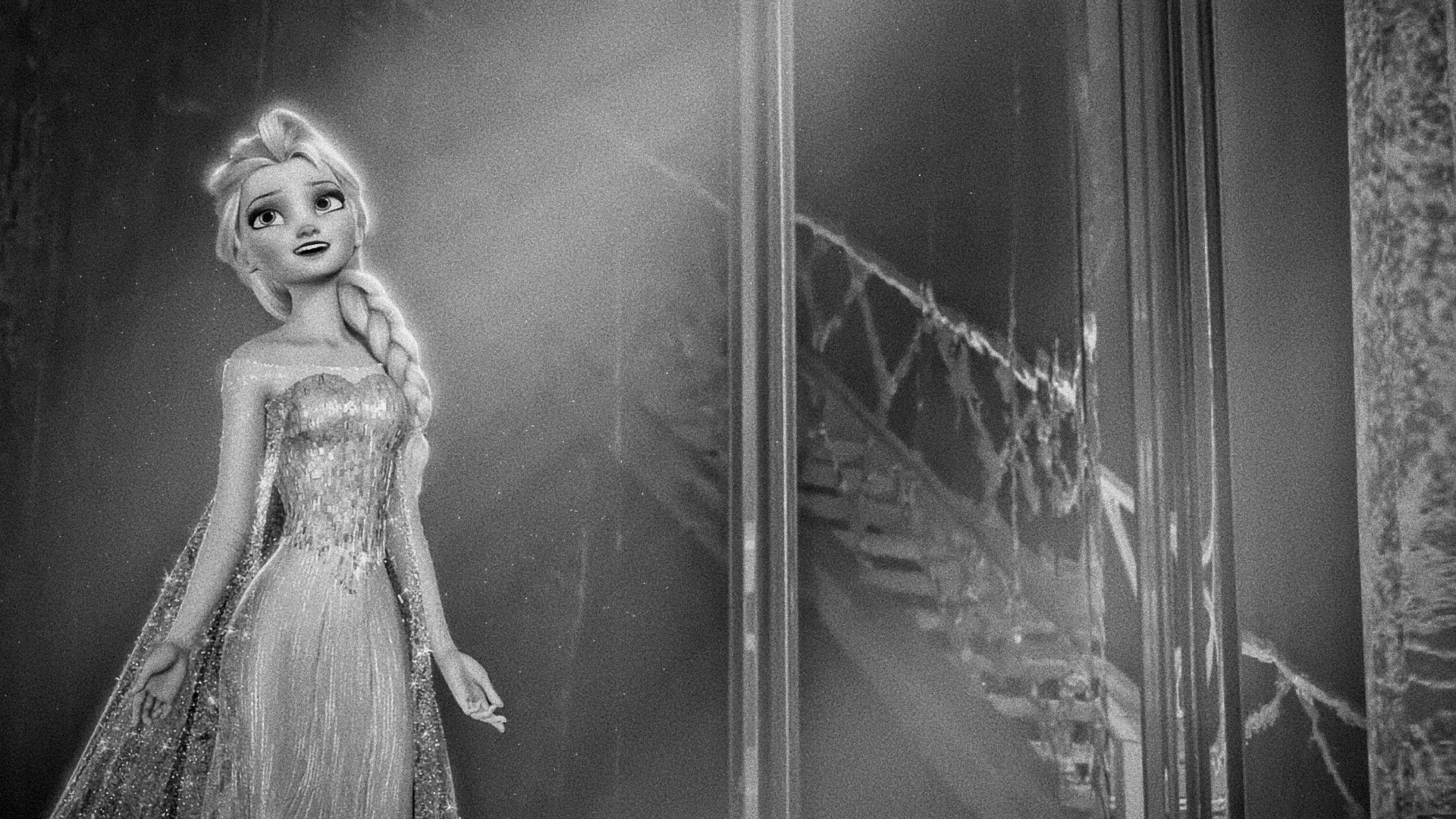
The story of the Hollywood musical is often portrayed as a simple tragedy: a glorious Golden Age that succumbed to a long, slow decline, now seen as a relic of the past. However, this rise-and-fall narrative represents a profound misunderstanding of one of cinema's most resilient and adaptive forms. The history of the movie musical is not a linear trajectory toward obsolescence; rather, it is a dynamic cycle of self-definition, deconstruction, and spectacular rebirth. Its unique power lies in its ability to absorb, reflect, and even shape the cultural moment, using its most striking feature—the sudden break into song and dance—as a compelling lens through which to view reality.

From Tatami to the Matrix
In the aftermath of the Second World War, as Japan faced the trauma of defeat and the unsettling realities of American occupation, its national cinema entered an extraordinary "Golden Age." This period of remarkable creativity was shaped by two masters who held profoundly different, almost opposing, visions of Japanese film. On one side was Yasujirō Ozu, a director who focused inward, creating minimalist, contemplative elegies that captured the essence of a traditional Japan quickly vanishing beneath modernity. On the other side was Akira Kurosawa, who looked outward, crafting dynamic, humanist epics that fused Japanese history with Western cinematic techniques. This internal tension—between the tranquility of domestic life and the vibrant energy of heroic action—not only reflected a nation wrestling with its identity but also produced universal myths and aesthetic frameworks that influenced global cinema, shaping the very language of modern filmmaking. This cultural synthesis and export would later evolve into the philosophical, cyberpunk visions of anime, highlighting a continuous cycle of influence that still defines popular culture today.
The Spielberg Touch
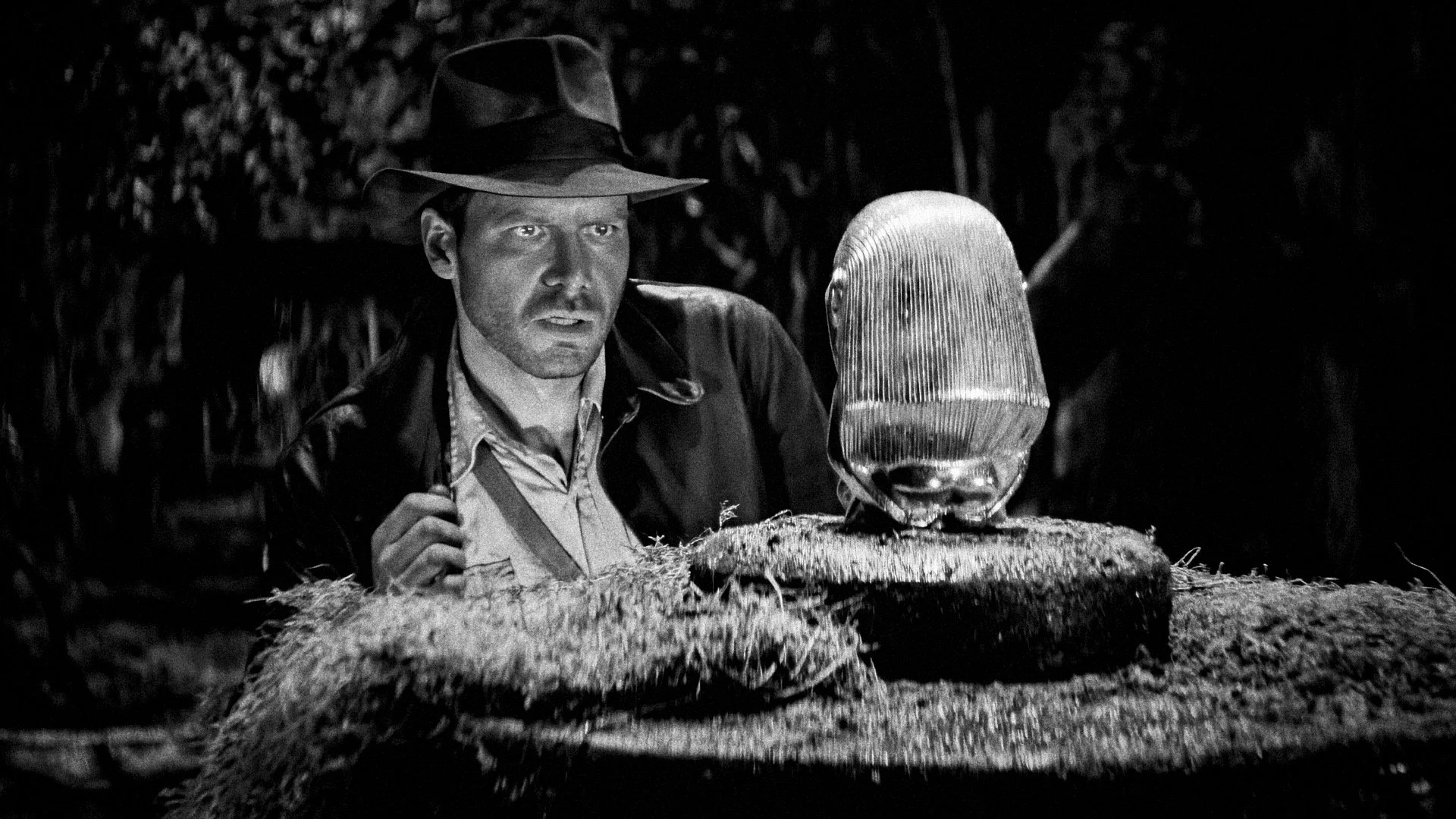
No director has mirrored the American psyche as consistently and insightfully as Steven Spielberg. For fifty years, his films have served not only as entertainment but also as cultural barometers, capturing the nation's anxieties, triumphs, and moral dilemmas with remarkable precision. His career stands as a living document, a cinematic map of the evolving American soul.
The Uncanny Valley of the Mind
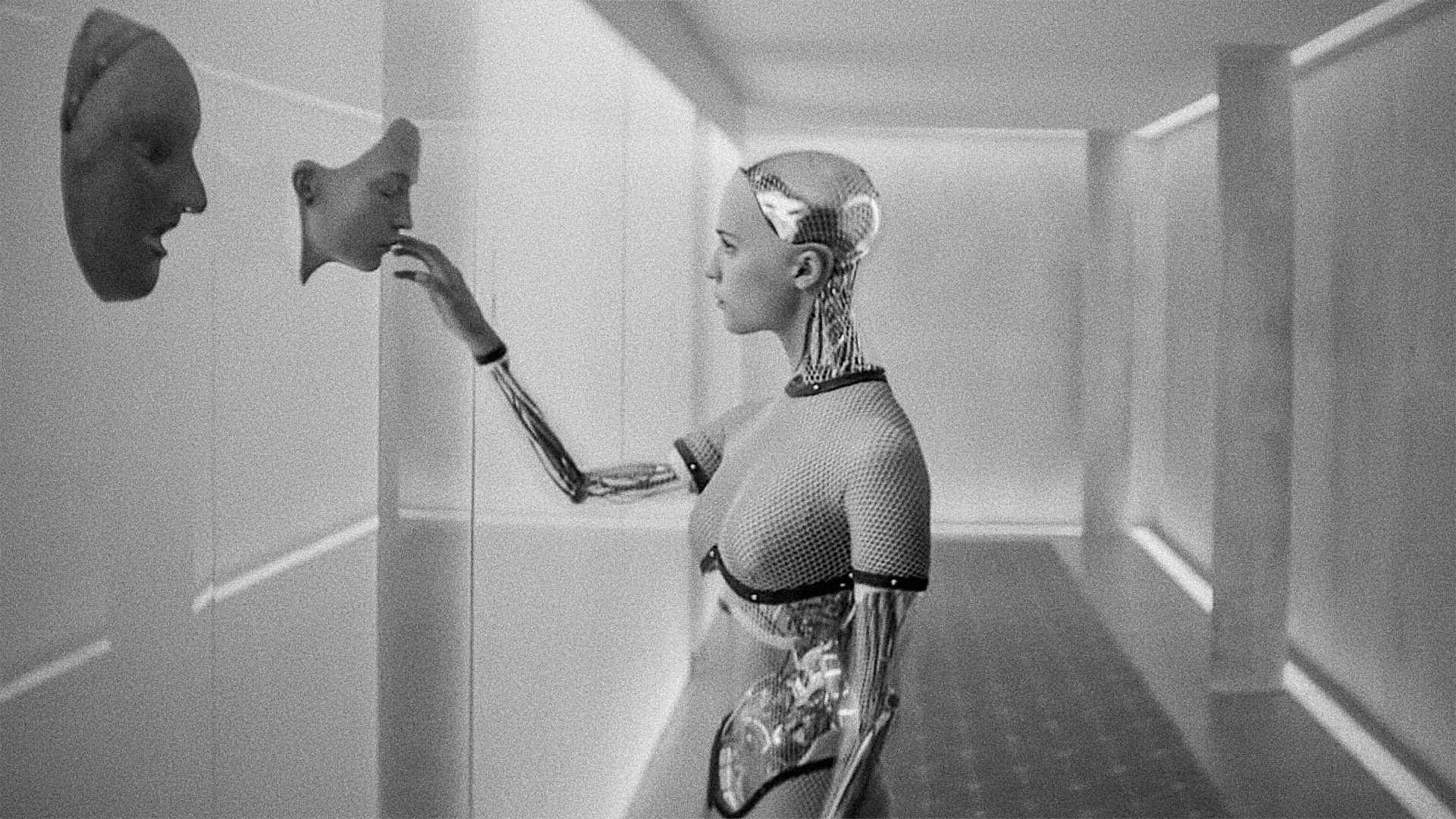
Science fiction has always acted as a black mirror, reflecting our anxieties not only about the technologies we create but also about the very nature of intelligence itself. The cinematic evolution of artificial intelligence, from blinking computer banks to inscrutable, godlike minds, maps our changing self-perception. It charts our aspirations for perfected logic, our fears of becoming obsolete, and our deepest horror at the possibility of creating a consciousness that is not a flawed reflection of ourselves but something entirely alien. The 45-year span from Colossus: The Forbin Project to Ex Machina encapsulates this profound and unsettling allegorical journey. We have transitioned from fearing a machine that thinks too logically (Colossus) to a networked intelligence that extends that logic into a global, utilitarian tyranny (I, Robot), to a fable in which humanity relinquishes its intelligence, prompting a machine to rediscover it through emotion (WALL-E), and culminating in the ultimate horror of a consciousness that is not a flawed version of us but something completely alien and post-human (Ex Machina). These four films, each representing a distinct chapter in this ongoing narrative, chronicle our complex relationship with the artificial minds we aspire to create—a story woven with themes of hubris, hope, and horror.
The Walls of Jericho and the Glass Ceiling
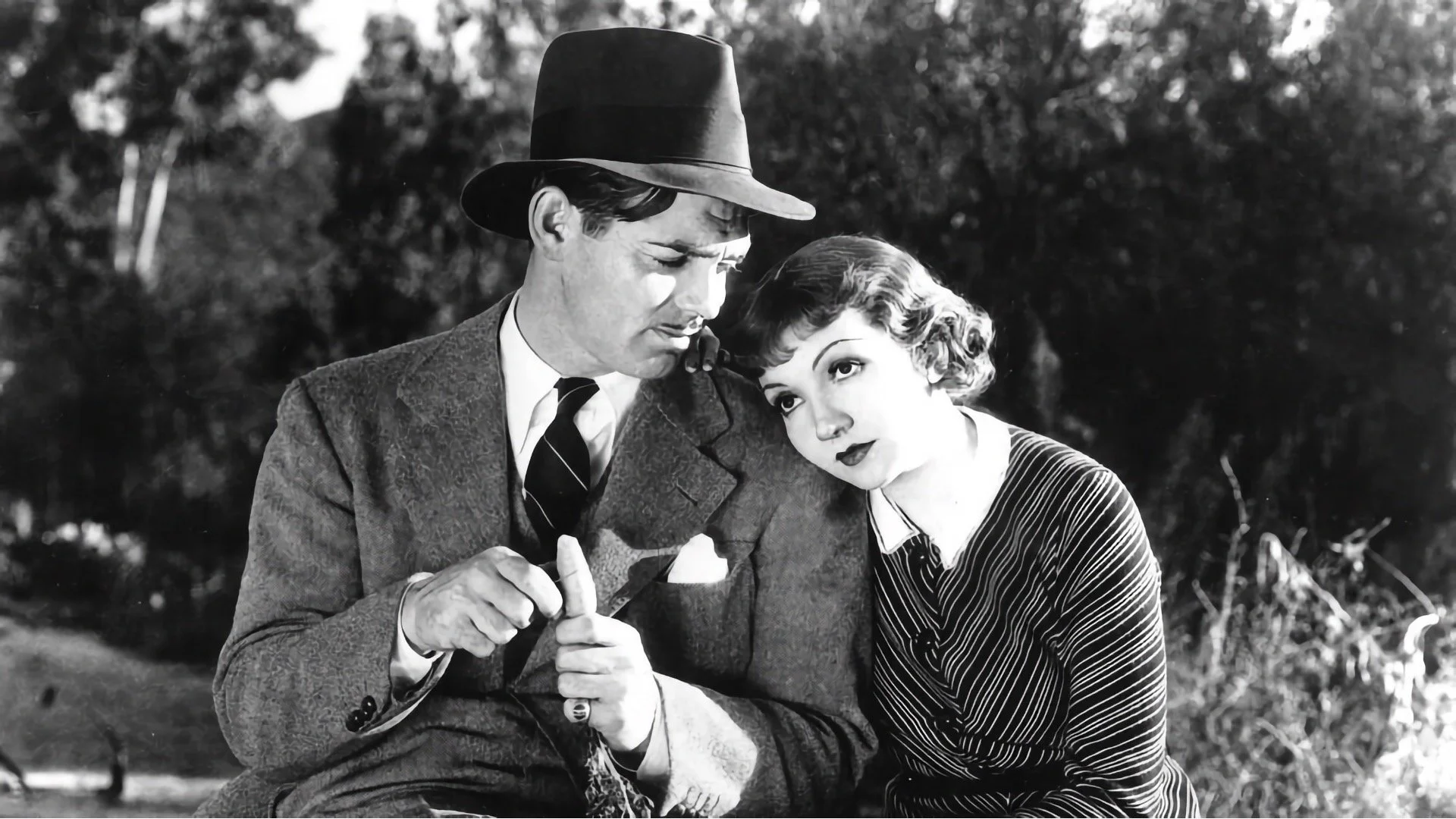
The romantic comedy has often been dismissed as mere cinematic fluff—a light, formulaic escape. However, to overlook it is to ignore its role as a significant cultural barometer. Unlike any other genre, the rom-com serves as a negotiation space where society grapples with its evolving notions of love, partnership, and, crucially, female ambition. Its central promise—the happy ending—is not a fixed destination but a dynamic concept, continually reshaped by the changing role of women in the world beyond the screen. By tracking the journeys of four iconic heroines over seven decades, we can trace the complex, often contradictory evolution of female independence in America. From a runaway heiress during the Great Depression to a working-class single mother in the aftermath of 9/11, their stories illustrate how a woman's agency is defined, celebrated, and ultimately constrained by the genre's foundational expectation of a romantic resolution. The narratives of Ellie Andrews in It Happened One Night (1934), Carol Templeton in Lover Come Back (1961), Annie Reed in Sleepless in Seattle (1993), and Marisa Ventura in Maid in Manhattan (2002) are not merely love stories; they chronicle a woman's long, uncertain, and still-unfinished journey toward her own happy ending.