
Tokyo Story (1953)
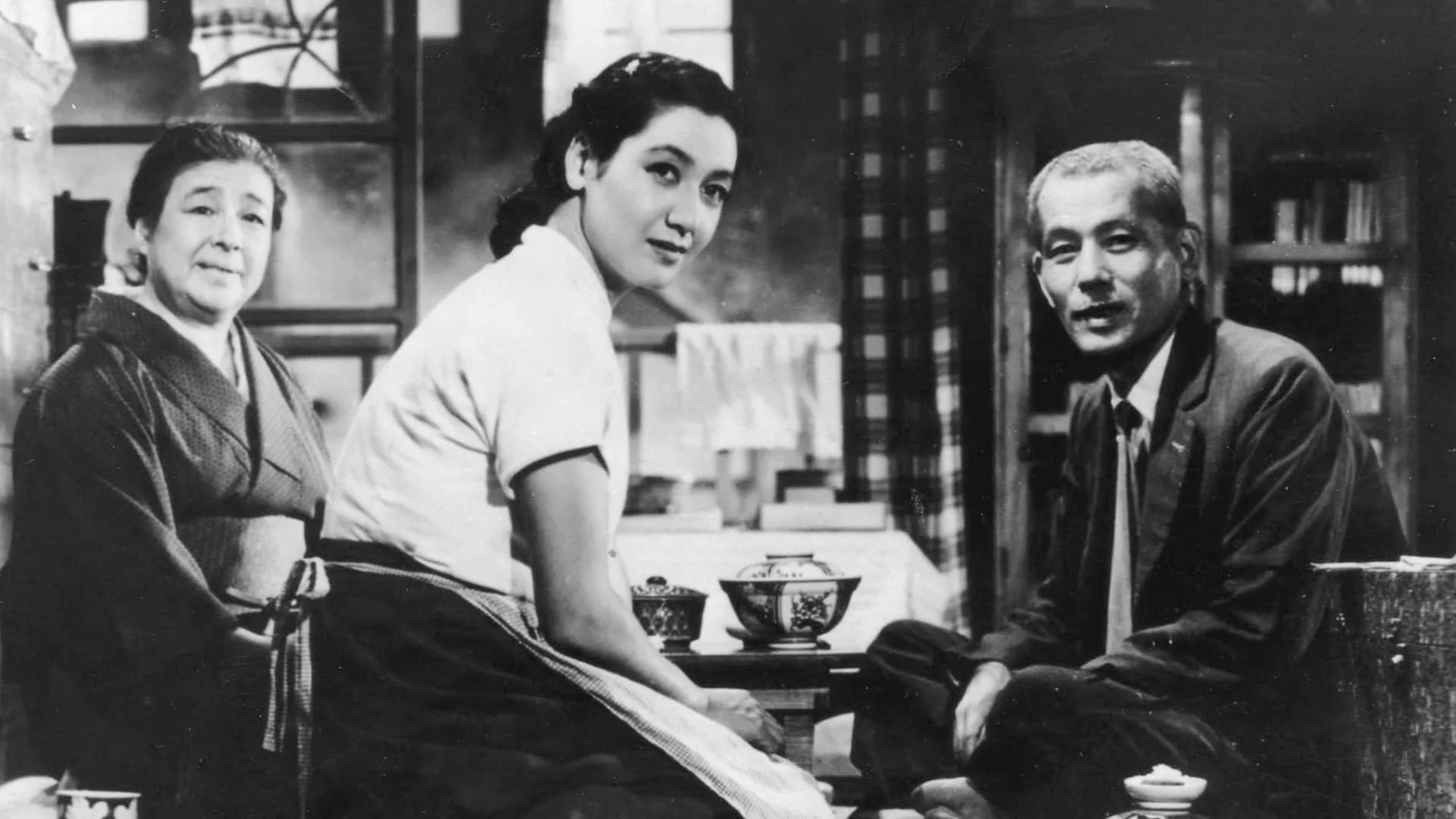
In Yasujirō Ozu's »Tokyo Story« (1953), an aging couple, Shukichi and Tomi Hirayama, visit their adult children in Tokyo, only to find them too busy to offer the attention and warmth they seek. The film poignantly explores the generational divide and the erosion of familial bonds amidst the bustling life of the modern city, symbolized by Tokyo's vibrant yet impersonal environment. Through gentle pacing and exquisite detail, Ozu masterfully captures the bittersweet nature of life, the transient nature of existence, and the complexities of family dynamics, inviting viewers to reflect on their own relationships and the fleeting moments that define them.

Ghost in the Shell (1995)
In the rain-slicked, neon-drenched streets of a future metropolis, a woman stands at the edge of a skyscraper. She is a silhouette against the backdrop of urban decay, embodying immense power and profound solitude. She removes her clothes—not as an act of seduction, but as a means of detachment, shedding a borrowed skin. Then, she plunges into the city below, an invisible wire catching her fall as she executes a flawless assassination. This is our introduction to Major Motoko Kusanagi, the cybernetically enhanced protagonist of Mamoru Oshii’s 1995 masterpiece, Ghost in the Shell. Viewing this film today, nearly three decades after its release, is to confront a startling prophecy. The questions it raises about identity, the fragility of memory, and the merging of humanity with technology are not merely speculative fictions; they are the defining anxieties of our hyper-networked, digitally mediated lives. Ghost in the Shell transcends being a landmark of Japanese animation; it serves as a foundational philosophical text of the digital age, a haunting meditation on the essence of humanity when our bodies can be manufactured and our memories hacked.
The Hidden Fortress (1958)
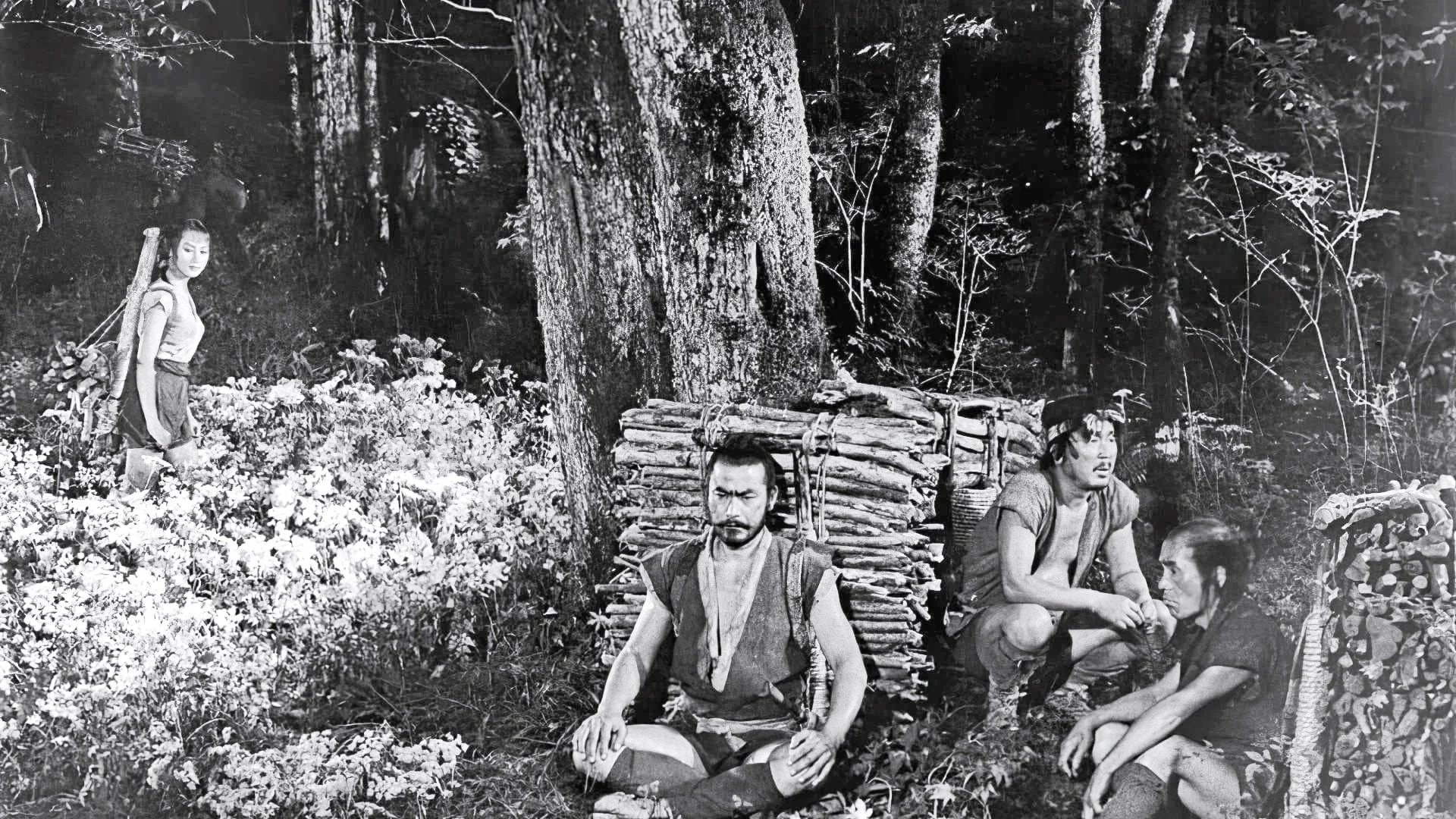
Directed by Akira Kurosawa, The Hidden Fortress (1958) is a seminal samurai epic set in feudal Japan that explores themes of honor, loyalty, and redemption through innovative storytelling and detailed character development. The film follows two bumbling peasants, Tahei and Matashichi, who become entangled in a civil war and assist a princess and her general in transporting gold across enemy lines, blending tension, humor, and action. Renowned for its visual storytelling, character transformation, and narrative structure, The Hidden Fortress has significantly influenced cinema, notably inspiring George Lucas's Star Wars, and remains a testament to Kurosawa's filmmaking prowess.
The Seven Samurai (1954)
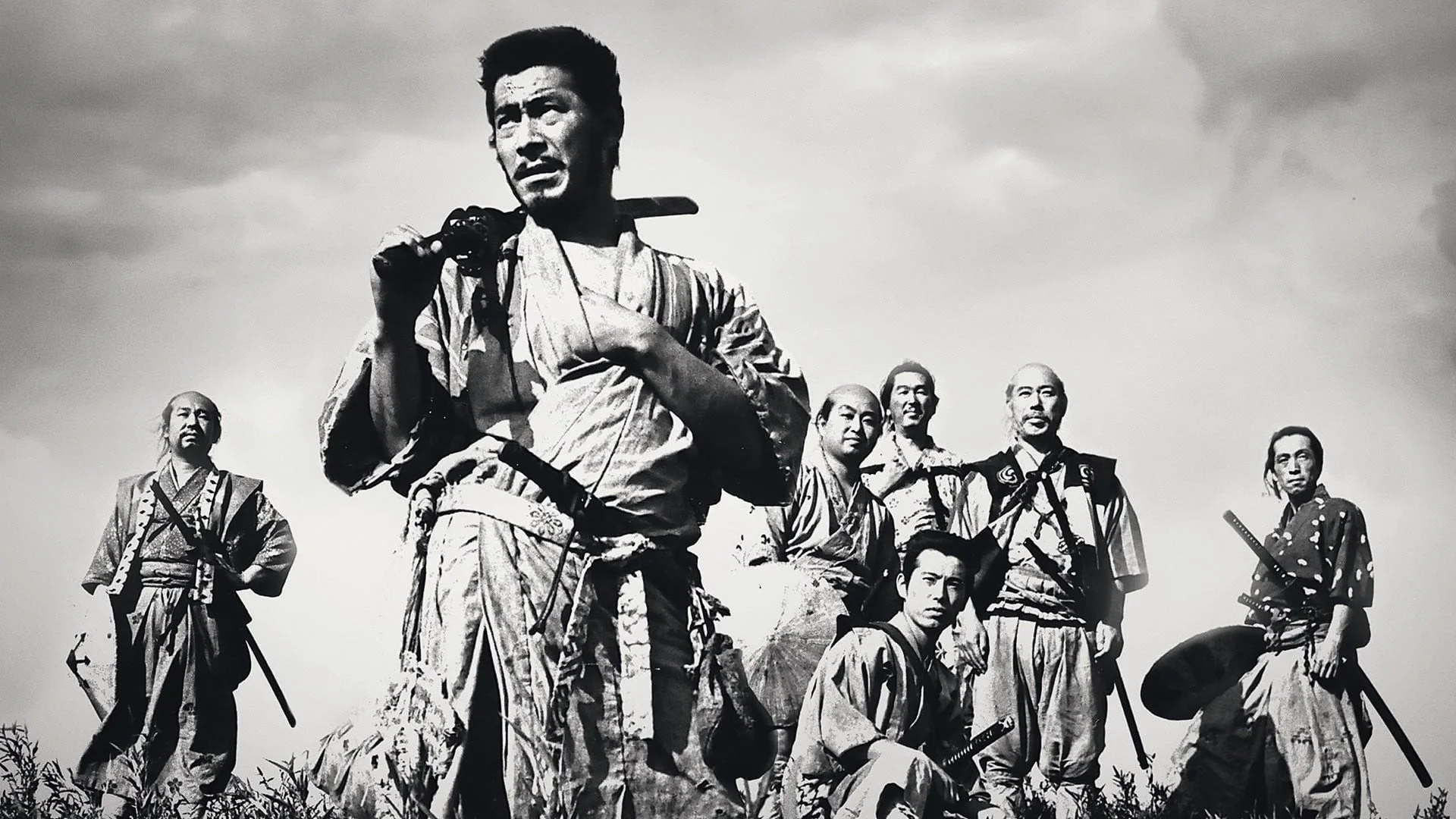
Directed by Akira Kurosawa, The Seven Samurai (1954) is a landmark film that has profoundly influenced global cinema with its exploration of universal themes like courage, sacrifice, and the value of human life. Set in 16th-century feudal Japan, the film follows seven samurai, led by Kambei, who are hired to defend a besieged village from bandits, forging deep bonds and alliances along the way. Kurosawa's nuanced storytelling, rich character development, and dynamic visual composition highlight the human condition and the complexities of honor and duty, cementing The Seven Samurai as a timeless masterpiece.
Tokyo Story (1953)
In Yasujirō Ozu's "Tokyo Story" (1953), an elderly couple, Shukichi and Tomi Hirayama, travel to Tokyo to visit their busy adult children, only to find themselves facing the indifference and preoccupation of their offspring. The film poignantly explores generational gaps and the bittersweet nature of life's fleeting moments through Ozu's gentle pacing and detailed observation of family dynamics. As the Hirayamas navigate their emotional journey, they encounter moments of unexpected compassion, underscoring the transient nature of life and the enduring significance of familial bonds.